Health and Fitness

Three Stretching Techniques for Flexibility

Stretching is a form of exercise or therapeutic technique that improves the length of soft tissues over time, increasing flexibility. It is one of the most important concepts in Yoga Anatomy, and it is taught in detail in the Yoga Teacher Training Courses in Bali. Why stretch? Prolonged immobilization, sedentary lifestyle,…

Health and Fitness

How to Activate Chakras in Human Body

Chakras are energy centers in the human body, each associated with different aspects of physical, emotional, and spiritual well-being. Activating and balancing these chakras can lead to improved health, increased energy, and a greater sense of harmony. Here’s a comprehensive guide on how to activate and balance the chakras in…

Health and Fitness

20 Benefits of Surya Namaskar

Surya Namaskar, or Sun Salutation, is a traditional sequence of yoga poses performed in a flowing sequence to honor the sun. This practice integrates movement with breath and mindfulness, offering numerous benefits for the body, mind, and spirit. Here are 20 key benefits of practicing Surya Namaskar: 1. Improves Flexibility…

Health and Fitness

Top Spiritual Places in the World: Sacred Destinations

Spirituality transcends cultures and religions, guiding seekers to places that resonate with a deep sense of connection, reverence, and peace. Around the globe, there are numerous destinations revered for their spiritual significance, each offering unique experiences that cater to those on a quest for inner tranquility and enlightenment. In this…

YOGA FOR BACK PAIN: 5 YOGA POSES FOR BACK PAIN RELIEF QUICKLY

Back pain is becoming very common these days for which most people seek medical help. It can range from a dull constant ache to sudden sharp pain or just a pinching sensation from the lower back going all the way down to the legs.

What are the common causes of back pain?

Physically unfit: To get proper spinal stability, it is important to have good core strength and flexibility. The core refers to all the muscles around the torso that includes the abdominal muscle, lower back, upper back muscles etc. All of these can be activated by regularly doing some kind of physical practice and Yoga is something that focuses on building both strength and flexibility of these muscle groups thereby improving the safe range of motion of this joint.

Weight Gain: Our lower spine bears a lot of weight throughout the day during our normal activities like sitting, standing, walking etc. In case of weight gain especially in the abdominal area, the body weight is not balanced equally throughout the spine which might lead to extra compression of the lower back and result in pain.

Job-related risk factors: If the jobs include heavy weight lifting or any activity that may cause continuous jerk to the lower back will eventually lead to injury. On the other hand, if someone is at a desk job, the long sitting hours will also lead to compression of the lower back which should be stretched and released.

Age and genetic factors: The bone density starts reducing after a certain age which leads to disc degeneration. An active lifestyle will help in maintaining healthy bone density. Sometimes, the back pain may be due to genetic factors like improper spinal structure which needs to be taken care of before it gets worse.

Below are some postures that can release lower back compression and help you give some relief:

Jathara Parivartanasana (Supinal Twist):

Steps:

Lie on your back
Bend your right knee and bring it close to your chest
Hold your right knee with your left palm
Take your right knee to the left side while pressing right shoulder down to the mat
Stay here for couple of breath

This asana will help to release the compression from the Lower back muscles and also create some space in the overall spine

Janu shirshasana (Knee to head seated forward fold)
Sit in Dandasana (Staff pose)
Bend your right knee and drop it down to the right side
Create 90 degree angle between right and left leg
Slightly twist upper body towards left side and bend forward
Touching the head to the knee (janu shirshasana) and slightly hunching the upper back
Raise yourself all the way up
Repeat this from the other side

This asana will help to release the compression from the lower back muscles and relax the entire back side of the body

Parighasana (Gate pose)
Sit on the mat with the legs wide open in front of you
Turn upper body towards the right side and bend forward on the right leg
Shift your right hand inside the right leg and hold the inner arch of right foot with right hand
Take the left hand over head and try to touch the outer arch of the right foot with left hand.
Keep twisting towards left and open the left chest out

This asana if performed correctly is very beneficial for someone who is into long sitting job as it releases the tension from the back due to continuous seated posture and also provides a nice side body stretch

Bhujangasana (Cobra pose)
Lie on your abdomen with your head touching the mat, feet pointed back and tailbone tucked down
Place the palms beside your chest
Pressing gently on your palms slowly lift your chest forward and up
Elbows can be slightly bent and look front.
Stay here for 10 counts and breathe normally
Slowly come all the way down
Repeat this for 3 – 5 times

This asana will help to mobilise the spinal extension and also help to strengthen the back muscles

Setu bandhasana (bridge pose)
Lie on your back and bend the knees
Slowly pressing on the elbows lift the hips off the floor
Lift the chest off the floor
You can interlace the fingers behind the back to get the strong lift of hips off the floor
Stay here for couple of breath
Slowly drop the hips down

This asana helps to strengthen the glutes and hip extension along with the spine which provides good spinal stability

Apart from the above mentioned exercises, one should regularly practice spinal mobility as a part of either warm up or stretching to ensure healthy and supple spine.

Three Stretching Techniques for Flexibility

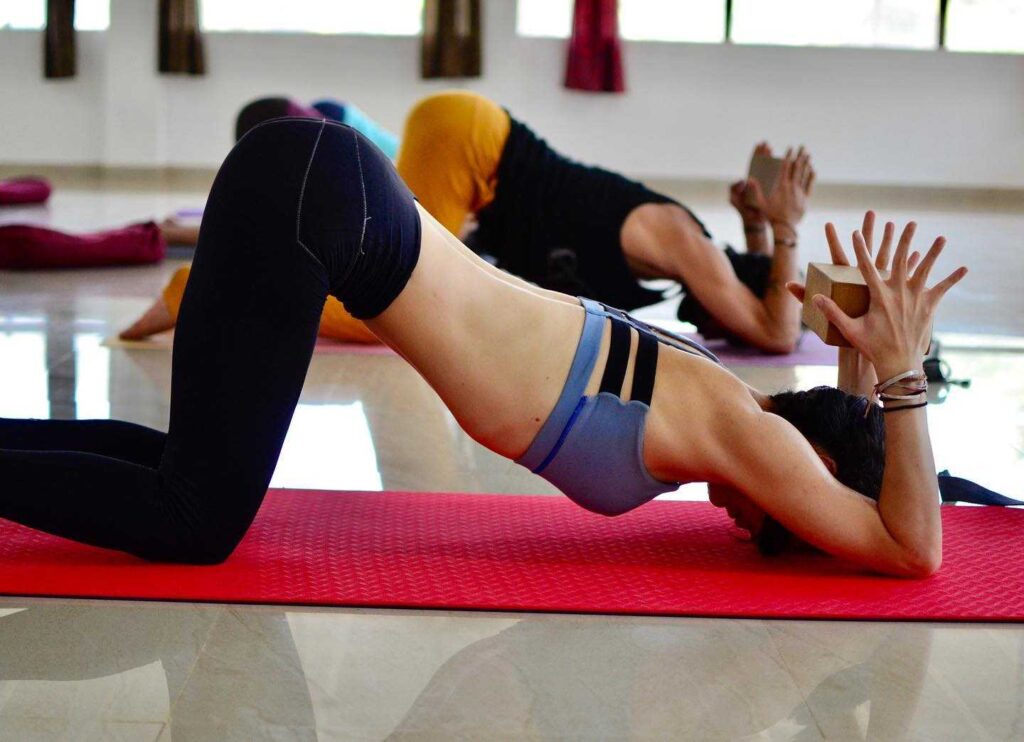
Stretching is a form of exercise or therapeutic technique that improves the length of soft tissues over time, increasing flexibility. It is one of the most important concepts in Yoga Anatomy, and it is taught in detail in the Yoga Teacher Training Courses in Bali.

Why stretch?

  • Prolonged immobilization, sedentary lifestyle, trauma, pain or inflammation can cause muscle stiffness, tendons, and ligaments. This can severely affect our range of motion, limiting the body’s full potential, making certain postures inaccessible and affecting the long-term musculoskeletal health.
  • Yoga is a combination of flexibility, strength, and endurance. However, because of the mindful holding of postures, it requires a good deal of flexibility to become stable and comfortable. Being aware of various Stretching Techniques will help develop a better understanding of the demands of a posture and the body.

Do’s and Don’ts

  • Warm the muscles: Warming the body before stretching will let the stress stay in the muscles, avoiding strain on the joints. Prior engagement of muscles also makes the stretching experience less stiff and painful.
  • Correct Alignment: It’s imperative to stretch with proper alignment in mind for the necessary effect. For example, the most effective way to stretch the rectus femoris is to flex the knee and extend the hip while keeping the spine neutral.

Alignment also prevents injury by avoiding compensation from the other joints. For example, the stretch on the iliopsoas is effective when the lumbar is in a neutral position to prevent pressure on the lower back.

  • Not too hard: When stretching, the focus should be on holding time rather than the intensity. Never push the body’s limit without a mindful awareness. If pain persists, back off. The stretching sensation should be a slight discomfort that can be endured– stressful but safe! A low-intensity stretch held for some time significantly changes the range of motion. Hold the stretch for about 30 seconds, repeating 2-4 times.
  • Avoid if injured: It’s important to take it slow if you are recovering from injury. Either practice stretching under the guidance of a professional or practise low-intensity stretches that are more therapeutic than exertive.

Types of Stretching Techniques 

  • Static: This is one of the most common stretching techniques and is known to have many benefits. It is a part of the asana routine at the Yoga Teacher Training Programs in Bali. Static stretching involves holding a stretch for a period of time, like 15-60 seconds, depending on the intensity. This type of technique focuses on elongating the muscles and connective tissue, thus playing a significant role in improving flexibility. It also prepares the body to get deep into the postures by removing stiffness that seeps into the muscles through lifestyle habits or intense dynamic practices.

Static stretching can be a great way to ease into your yoga practice after warming up the muscles. Stretching cold muscles, especially over-stretching, can lead to serious injury. It should be included in your cool-down routine as static stretching activates the parasympathetic nervous system, inducing deep relaxation.

There are two types of static stretching: 

  • Active: In this technique, a stretch is held without any external support through the strength of one’s muscles.
  • Passive: In a passive stretch, we use external assistance to increase the range of motion, such as gravity, props, or another person.
  • Dynamic: Dynamic stretching involves repetitive, controlled movements performed over the full range of motion of muscles and joints. These are excellent movements to be included in a warm-up routine before asana practice. They generate a lot of heat in the body and an increased blood flow to the muscles, which prepares them for intense exercises and allows them to operate safely without strains and tears. Dynamic stretches also prepare you mentally for the practice, readying you from rest to activity slowly waking the body up.

However, it’s essential to maintain some precautions while using this technique.

  • Warm up: Make sure a small warm-up like cardio or jogging is practised before dynamic stretches to prepare the muscles.
  • Move in control: The movements must be controlled so the muscles are not overstretched beyond their range of motion. Avoid jerky and stressful movements that can cause a lack of alignment.
  • Progress slowly: Increase the intensity gradually once the body feels more open and used to the stress. Too much, too fast, can lead to injury.
  • Lastly, avoid this technique at the end of your yoga practice. Dynamic stretches warm the body instead of static stretches, which relax the body.
  • PNF: PNF stands for Proprioceptive Neuromuscular Facilitation.  This form of stretching uses both the nervous and muscular systems to increase the range of motion. It involves passive stretching and isometric contraction to elongate the muscles and tendons. It uses the principles of proprioception (the sense of the body in space) and neuromuscular facilitation (communication between nerves and muscles). This technique generally requires a partner or a resistance band. At the Yoga Teacher Training Course in Balistudents learn to assist each other in PNF stretching.

PNF technique not only improves flexibility but also fosters muscle strength and neuro-muscular coordination.

There are two popular types of PNF stretching: 

  • Hold-relax: We begin this technique with a passive stretch where a muscle is stretched to discomfort and held there for 10-15 seconds. This is followed by an isometric contraction for 5-10 seconds, typically by pushing against a partner’s hand. The contraction allows the muscle to relax under tension. The contraction phase is followed by a relaxation phase, allowing the muscle to elongate further. The last phase of this method is another round of passive stretching, usually with an increased range of motion available through the prior stages. The muscle can be held here for about 30 seconds.
  • Contract- relax: We begin this technique with a passive stretch paired with concentric contraction, stretching the muscle against resistance for 8-15 seconds. This is followed by isometric contraction and another round of concentric contraction for 8-15 seconds. The final phase is passive stretching with 15-30 seconds of holding.

Stretching is an essential part of a yoga routine that helps one improve their flexibility safely and consistently, improve mobility and relieve tension. Join the Yoga Teacher Training Program in Bali to equip yourself with proper stretching techniques you can apply in your practice or classes.

Embarking on a 200-Hours Yoga Teacher Training in Bali

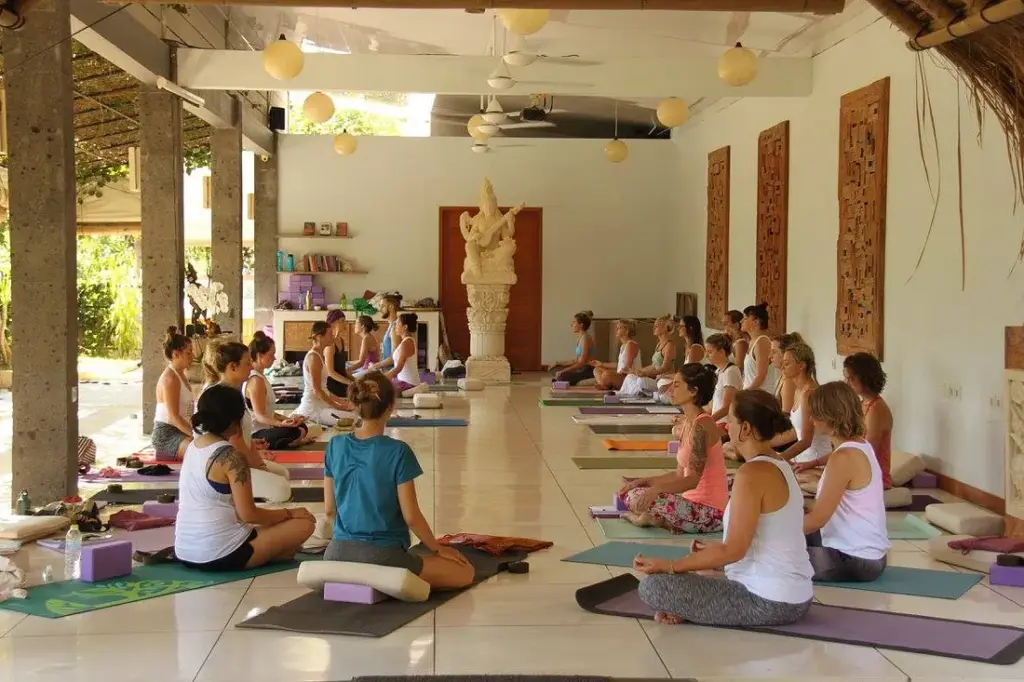
Bali, often referred to as the “Island of the Gods,” is not just a tropical paradise but also a global hub for yoga enthusiasts seeking transformation and growth. A 200-hour Yoga Teacher Training Course (YTTC) in Bali offers an immersive experience that blends traditional yogic teachings with the island’s rich spiritual culture and stunning natural landscapes.

Why Choose Bali for Your Yoga Teacher Training

  • Spiritual Environment: Bali’s deep-rooted Hindu traditions create a unique spiritual atmosphere. Daily rituals, temple ceremonies, and offerings are integral to Balinese life, providing a spiritually enriching environment for yoga practice.
  • Natural Beauty: From pristine beaches to lush jungles and serene rice terraces, Bali’s diverse landscapes offer the perfect backdrop for introspection and connection with nature.
  • Global Yoga Community: Bali attracts yoga practitioners from around the world, fostering a vibrant community where you can share experiences and build lasting friendships.

What is a 200-Hour Yoga Teacher Training Course

A 200-hour YTTC is a foundational program designed to equip you with the skills and knowledge to teach yoga professionally. The course is internationally recognized and typically meets the standards set by Yoga Alliance, allowing you to become a Registered Yoga Teacher (RYT 200).

Course Curriculum Overview

  1. Asana Practice
    • Alignment and Technique: Learn the proper alignment for various yoga postures to ensure safety and effectiveness.
    • Variety of Styles: Exposure to different yoga styles such as Hatha, Vinyasa, Ashtanga, and Yin yoga.
    • Modifications and Props: Understanding how to modify poses to suit different body types and abilities.
  2. Pranayama and Meditation
    • Breathing Techniques: Master various pranayama practices to control and enhance the flow of life force energy.
    • Meditation Practices: Develop a personal meditation routine to cultivate mindfulness and inner peace.
  3. Anatomy and Physiology
    • Physical Anatomy: Study the musculoskeletal system, organs, and bodily systems relevant to yoga practice.
    • Energetic Anatomy: Explore concepts like chakras, nadis, and the subtle body.
  4. Yoga Philosophy
    • Ancient Texts: Delve into the Yoga Sutras of Patanjali, Bhagavad Gita, and other classical texts.
    • Ethics and Lifestyle: Understand the yogic way of life, including the Yamas and Niyamas (ethical guidelines).
  5. Teaching Methodology
    • Class Sequencing: Learn how to design cohesive and balanced yoga classes.
    • Communication Skills: Develop effective verbal cues and hands-on adjustment techniques.
    • Class Management: Strategies for creating a safe and inclusive environment for students.
  6. Practicum
    • Teaching Practice: Gain real-world experience by teaching classes under supervision.
    • Feedback Sessions: Receive constructive feedback to improve your teaching skills.

Unique Features of Bali-Based YTTC Programs

  • Cultural Immersion: Participate in local ceremonies and learn about Balinese traditions, enhancing your spiritual journey.
  • Holistic Wellness: Many programs include additional workshops on Ayurveda, nutrition, and holistic healing practices.
  • Eco-Friendly Accommodations: Stay in eco-resorts or retreat centers that emphasize sustainability and harmony with nature.

Benefits of Completing Your Training in Bali

  • Personal Growth: The immersive nature of the course allows for deep self-exploration and personal transformation.
  • Professional Opportunities: Bali’s global yoga scene provides networking opportunities and potential teaching positions post-certification.
  • Lifetime Memories: Beyond the certification, you’ll gain unforgettable experiences and friendships that last a lifetime.

Choosing the Right Yoga School

When selecting a YTTC in Bali, consider the following factors:

  • Accreditation: Ensure the school is registered with Yoga Alliance or another reputable organization.
  • Instructor Qualifications: Research the experience and teaching styles of the lead instructors.
  • Class Size: Smaller groups often allow for more personalized attention and a better learning experience.
  • Curriculum Details: Review the syllabus to ensure it aligns with your interests and goals.

Preparing for the Course

  • Physical Readiness: Establish a regular yoga practice to prepare your body for intensive daily sessions.
  • Mental Preparation: Cultivate an open mind and be ready to embrace new experiences and challenges.
  • Logistics: Plan your travel, accommodations (if not included), and any necessary visas well in advance.

Conclusion

A 200-hour Yoga Teacher Training Course in Bali is more than just an educational program—it’s a transformative journey that harmonizes body, mind, and spirit. The combination of comprehensive yogic education and the island’s spiritual ambiance creates an unparalleled environment for personal and professional growth. Whether you aim to teach yoga or deepen your personal practice, Bali offers the ideal setting to embark on this life-changing path.

Frequently Asked Questions

1. What is a 200-Hour Yoga Teacher Training Course (YTTC)?

A 200-hour YTTC is an entry-level yoga certification program designed to provide a comprehensive foundation in yoga practice and teaching. It includes instruction in asana (postures), pranayama (breathing techniques), meditation, anatomy, philosophy, and teaching methodology. Completing the course allows you to become a certified yoga instructor, often registered with Yoga Alliance as a Registered Yoga Teacher (RYT-200).

2. Who is this course for?

This course is for anyone interested in deepening their personal yoga practice or pursuing a career in teaching yoga. It is suitable for practitioners of all levels, from beginners to advanced students. No prior teaching experience is necessary, but familiarity with basic yoga practices is helpful.

3. What will I learn in a 200-hour YTTC?

A 200-hour YTTC covers a range of topics, including:

  • Asana (Postures): Correct alignment, benefits, and modifications of key yoga poses.
  • Pranayama (Breath Control): Various breathing techniques to enhance physical and mental well-being.
  • Meditation: Techniques to calm the mind and improve focus.
  • Yoga Philosophy: Study of ancient texts like the Yoga Sutras, the Eight Limbs of Yoga, and yogic ethics.
  • Anatomy & Physiology: Understanding the body in relation to yoga practice.
  • Teaching Methodology: How to structure and sequence a yoga class, give effective cues, and make adjustments.
  • Practice Teaching: Opportunities to lead classes and receive feedback from instructors and peers.

4. How long does it take to complete a 200-hour YTTC?

Most 200-hour YTTC programs are structured as immersive courses that last 3-4 weeks when done full-time. There are also part-time options that spread the training over several months to accommodate those with other commitments.

5. Do I need to have an advanced yoga practice to enroll?

No, an advanced practice is not required. A 200-hour YTTC is designed for all levels, and the focus is on developing a strong foundation in both practice and teaching. However, it’s recommended to have some experience in practicing yoga before joining the course to ensure you are familiar with basic poses and concepts.

6. Will I be ready to teach yoga after completing the course?

Yes, after completing a 200-hour YTTC, you will be qualified to teach beginner and intermediate-level yoga classes. You’ll learn the skills needed to lead classes confidently, including sequencing, cueing, and modifications. However, like any profession, continued practice and experience will further refine your teaching abilities.

7. What styles of yoga are covered in a 200-hour YTTC?

A 200-hour YTTC typically covers a variety of yoga styles, with the most common being:

  • Hatha Yoga: A traditional form focusing on postures and breath.
  • Vinyasa Flow: A dynamic practice linking breath with movement.
  • Yin or Restorative Yoga: Slower-paced styles emphasizing deep relaxation and longer holds.

The exact styles may vary depending on the school or program.

8. What are the prerequisites for enrolling in a 200-hour YTTC?

There are generally no formal prerequisites for most programs beyond a passion for yoga and a willingness to learn. Some schools may recommend that students have a minimum amount of prior yoga experience (e.g., six months to a year of regular practice).

9. What should I bring to a 200-hour YTTC?

The essentials you’ll need include:

  • Yoga Mat: A durable, comfortable mat for daily practice.
  • Comfortable Clothing: Breathable and stretchable attire suitable for yoga practice.
  • Notebook & Pen: To take notes during theory and philosophy sessions.
  • Water Bottle: Staying hydrated is key, especially during intensive practice.
  • Some schools may also provide materials, such as manuals or props, so it’s important to check with the school in advance.

10. Is the 200-hour YTTC accredited by Yoga Alliance?

Many yoga schools offering 200-hour YTTC are accredited by Yoga Alliance, the largest international certification body for yoga teachers. Completing a Yoga Alliance-registered program allows you to apply for the RYT-200 (Registered Yoga Teacher) certification, which is recognized worldwide.

11. How much does a 200-hour YTTC cost?

The cost of a 200-hour YTTC can vary widely depending on the location, school, and inclusions (e.g., accommodation, meals). Prices typically range from $1,500 to $5,000 USD, with Bali, India, and Thailand offering more affordable options compared to Western countries.

12. What are the accommodation and meal options during the course?

Many yoga teacher training programs, especially those in destination locations like Bali or India, are residential and include accommodation and meals. Accommodations often range from shared dormitories to private rooms, and meals are typically vegetarian or vegan, designed to nourish the body during training. It’s essential to verify what’s included with the specific program.

13. What certification will I receive after completing the course?

After successfully completing the course, you will receive a 200-hour Yoga Teacher Certification, which qualifies you to teach yoga professionally. If the school is registered with Yoga Alliance, you can register as an RYT-200, which is recognized globally.

14. Can I teach internationally with a 200-hour certification?

Yes, a 200-hour certification from a Yoga Alliance-registered school allows you to teach yoga internationally. Many countries recognize this certification as the standard for teaching yoga professionally.

15. Is there an assessment or exam at the end of the course?

Yes, most 200-hour YTTCs require participants to pass an assessment, which may include a combination of written exams, teaching practicums, and evaluations of your knowledge of asanas, anatomy, and philosophy. These assessments ensure that you’re prepared to teach upon graduation.

16. What are the benefits of completing a 200-hour YTTC?

  • Personal Growth: Deepen your yoga practice and understanding of yourself.
  • Teaching Skills: Gain the skills and confidence to teach yoga to others.
  • Career Opportunities: Qualify to teach yoga at studios, gyms, or even start your own classes.
  • Holistic Health: Learn about anatomy, meditation, and yoga philosophy for overall wellness.

17. What should I do after completing the 200-hour YTTC?

After completing the course, many graduates start teaching immediately at local studios, gyms, or even online. Others continue their education with advanced trainings, such as a 300-hour YTTC, or specialize in areas like prenatal yoga, yoga therapy, or advanced meditation techniques.

How to Activate Chakras in Human Body

Chakras are energy centers in the human body, each associated with different aspects of physical, emotional, and spiritual well-being. Activating and balancing these chakras can lead to improved health, increased energy, and a greater sense of harmony. Here’s a comprehensive guide on how to activate and balance the chakras in the human body.

Understanding the Chakras

There are seven main chakras, each located at different points along the spine:

  1. Root Chakra (Muladhara): Located at the base of the spine. Governs stability, security, and grounding.
  2. Sacral Chakra (Svadhisthana): Located in the lower abdomen. Governs creativity, sexuality, and emotions.
  3. Solar Plexus Chakra (Manipura): Located in the upper abdomen. Governs personal power, self-esteem, and willpower.
  4. Heart Chakra (Anahata): Located in the center of the chest. Governs love, compassion, and relationships.
  5. Throat Chakra (Vishuddha): Located at the throat. Governs communication, self-expression, and truth.
  6. Third Eye Chakra (Ajna): Located between the eyebrows. Governs intuition, perception, and insight.
  7. Crown Chakra (Sahasrara): Located at the top of the head. Governs spiritual connection and enlightenment.

Techniques for Activating Chakras

Meditation

Meditation is one of the most effective ways to activate and balance chakras. Here’s how you can use meditation for each chakra:

  • Root Chakra: Meditate while visualizing a red, glowing sphere at the base of your spine. Focus on feeling grounded and secure.
  • Sacral Chakra: Meditate on an orange sphere in your lower abdomen, focusing on creativity and emotional flow.
  • Solar Plexus Chakra: Visualize a yellow sphere in your upper abdomen, concentrating on personal power and self-esteem.
  • Heart Chakra: Imagine a green or pink sphere in the center of your chest, focusing on love and compassion.
  • Throat Chakra: Visualize a blue sphere at your throat, concentrating on clear communication and self-expression.
  • Third Eye Chakra: Meditate on an indigo sphere between your eyebrows, focusing on intuition and insight.
  • Crown Chakra: Visualize a violet or white sphere at the top of your head, focusing on spiritual connection and higher consciousness.

Yoga Poses

Specific yoga poses can help activate and balance each chakra:

  • Root Chakra: Mountain Pose (Tadasana), Warrior Pose (Virabhadrasana)
  • Sacral Chakra: Butterfly Pose (Baddha Konasana), Goddess Pose (Utkata Konasana)
  • Solar Plexus Chakra: Boat Pose (Navasana), Warrior III Pose (Virabhadrasana III)
  • Heart Chakra: Camel Pose (Ustrasana), Bridge Pose (Setu Bandhasana)
  • Throat Chakra: Shoulder Stand (Sarvangasana), Plow Pose (Halasana)
  • Third Eye Chakra: Child’s Pose (Balasana), Forward Bend (Uttanasana)
  • Crown Chakra: Headstand (Sirsasana), Corpse Pose (Savasana)

Affirmations

Affirmations are positive statements that can help activate and balance chakras. Repeat the following affirmations while focusing on each chakra:

  • Root Chakra: “I am grounded and secure.”
  • Sacral Chakra: “I embrace my creativity and emotions.”
  • Solar Plexus Chakra: “I am confident and powerful.”
  • Heart Chakra: “I give and receive love freely.”
  • Throat Chakra: “I communicate my truth clearly.”
  • Third Eye Chakra: “I trust my intuition and inner wisdom.”
  • Crown Chakra: “I am connected to the divine and the universe.”

Sound and Music

Each chakra is associated with specific sounds or musical notes that can help activate it:

  • Root Chakra: Listen to deep, low-frequency music or sounds like the note C.
  • Sacral Chakra: Music with flowing, rhythmic qualities or the note D.
  • Solar Plexus Chakra: Music with powerful, energetic rhythms or the note E.
  • Heart Chakra: Music with soothing, harmonious tones or the note F.
  • Throat Chakra: Music with clear, articulate sounds or the note G.
  • Third Eye Chakra: Music with meditative, insightful qualities or the note A.
  • Crown Chakra: Music with ethereal, spiritual qualities or the note B.

Color Therapy

Colors are associated with each chakra and can help in activation:

  • Root Chakra: Red
  • Sacral Chakra: Orange
  • Solar Plexus Chakra: Yellow
  • Heart Chakra: Green or Pink
  • Throat Chakra: Blue
  • Third Eye Chakra: Indigo
  • Crown Chakra: Violet or White

Incorporate these colors into your environment through clothing, decorations, or visualization.

Healing Crystals

Crystals are believed to have energetic properties that can help balance chakras:

  • Root Chakra: Red Jasper, Hematite
  • Sacral Chakra: Carnelian, Orange Calcite
  • Solar Plexus Chakra: Citrine, Tiger’s Eye
  • Heart Chakra: Rose Quartz, Green Aventurine
  • Throat Chakra: Lapis Lazuli, Blue Lace Agate
  • Third Eye Chakra: Amethyst, Labradorite
  • Crown Chakra: Clear Quartz, Selenite

Place these crystals on or near the corresponding chakra during meditation.

Pranayama (Breathwork)

Breathwork can enhance the flow of energy through the chakras:

  • Root Chakra: Deep abdominal breathing
  • Sacral Chakra: Side-to-side breathing
  • Solar Plexus Chakra: Kapalabhati (Skull Shining Breath)
  • Heart Chakra: Extended exhalations
  • Throat Chakra: Ujjayi (Victorious Breath)
  • Third Eye Chakra: Alternate nostril breathing (Nadi Shodhana)
  • Crown Chakra: Deep, slow breathing

Conclusion

Activating and balancing the chakras involves a combination of meditation, yoga, affirmations, sound, color, crystals, and breathwork. By integrating these practices into your daily routine, you can enhance your physical health, emotional well-being, and spiritual growth. Remember, the journey to balancing the chakras is personal and may require patience and consistent practice.

FAQ on How to Activate Chakras in the Human Body

1. What are chakras?

Chakras are energy centers located along the spine, from the base to the crown of the head. Each chakra is associated with specific physical, emotional, and spiritual aspects of your well-being.

2. How many chakras are there in the human body?

There are seven main chakras in the human body. They are the Root Chakra, Sacral Chakra, Solar Plexus Chakra, Heart Chakra, Throat Chakra, Third Eye Chakra, and Crown Chakra.

3. How can I activate my chakras?

You can activate your chakras through various practices including meditation, yoga poses, affirmations, sound and music, color therapy, healing crystals, and pranayama (breathwork).

4. What is the role of meditation in chakra activation?

Meditation helps focus the mind and connect with the energy of each chakra. By visualizing colors or symbols associated with each chakra and repeating specific mantras, you can activate and balance these energy centers.

5. Which yoga poses are best for chakra activation?

Different yoga poses target specific chakras:

  • Root Chakra: Mountain Pose, Warrior Pose
  • Sacral Chakra: Butterfly Pose, Goddess Pose
  • Solar Plexus Chakra: Boat Pose, Warrior III Pose
  • Heart Chakra: Camel Pose, Bridge Pose
  • Throat Chakra: Shoulder Stand, Plow Pose
  • Third Eye Chakra: Child’s Pose, Forward Bend
  • Crown Chakra: Headstand, Corpse Pose

6. What are affirmations and how do they help in chakra activation?

Affirmations are positive statements that you repeat to focus on and align with the qualities of each chakra. For example, “I am grounded and secure” for the Root Chakra. They help reinforce positive energy and balance each chakra.

7. How does sound and music influence chakra activation?

Sound and music associated with each chakra can help enhance its activation. Specific musical notes and frequencies resonate with each chakra and promote healing and balance.

8. What is color therapy and how does it work for chakras?

Color therapy involves using colors associated with each chakra to influence energy flow. For instance, using red for the Root Chakra or green for the Heart Chakra. Incorporating these colors in your environment or visualizing them can aid in chakra activation.

9. Can healing crystals assist in chakra activation?

Yes, each chakra is linked to specific healing crystals that can be used to promote balance and activation. For example, Amethyst for the Third Eye Chakra or Rose Quartz for the Heart Chakra.

10. How does pranayama (breathwork) help in chakra activation?

Pranayama, or controlled breathing techniques, help regulate and enhance the flow of energy through the chakras. Techniques like deep abdominal breathing or alternate nostril breathing can aid in activating and balancing these energy centers.

11. Is it necessary to activate all chakras at once?

No, it is not necessary to activate all chakras at once. You can focus on one chakra at a time, depending on your needs and goals. Balancing and activating each chakra can be a gradual process.

12. How often should I practice chakra activation techniques?

Consistency is key. Practicing chakra activation techniques regularly, such as daily meditation or weekly yoga sessions, can help maintain balance and enhance the benefits over time.

13. Can chakra activation improve physical health?

Yes, balancing and activating chakras can positively impact physical health by promoting energy flow and addressing blockages that may contribute to physical symptoms or ailments.

14. Can chakra activation help with emotional and spiritual well-being?

Absolutely. Activating and balancing chakras can improve emotional stability, reduce stress, enhance self-awareness, and foster a deeper connection to your spiritual self.

15. Do I need a special instructor for chakra activation practices?

While you can practice chakra activation techniques on your own, working with an experienced yoga or meditation instructor can provide guidance, deepen your practice, and ensure that you are using the techniques correctly.

16. How can I tell if my chakras are activated or balanced?

Signs of activated or balanced chakras include feeling more centered, having improved emotional stability, experiencing physical well-being, and a greater sense of spiritual connection. Each person may experience these signs differently.

17. What should I do if I feel resistance or discomfort during chakra activation?

If you experience resistance or discomfort, it may be a sign of energetic blockages. Approach these sensations with patience and compassion. Consider seeking guidance from a practitioner or adjusting your practice to address these issues.

18. Are there any risks associated with chakra activation practices?

Chakra activation practices are generally safe, but they should be approached mindfully. If you have specific health concerns or conditions, consult with a healthcare provider or experienced instructor before starting any new practice.

19. Can chakra activation practices be combined with other wellness activities?

Yes, chakra activation practices can be combined with other wellness activities such as exercise, healthy eating, and self-care routines to create a holistic approach to well-being.

20. Where can I find more information on chakra activation?

You can find more information on chakra activation through books, online resources, yoga and meditation classes, workshops, and guidance from experienced practitioners.

20 Benefits of Surya Namaskar

Surya Namaskar, or Sun Salutation, is a traditional sequence of yoga poses performed in a flowing sequence to honor the sun. This practice integrates movement with breath and mindfulness, offering numerous benefits for the body, mind, and spirit. Here are 20 key benefits of practicing Surya Namaskar:

1. Improves Flexibility

Surya Namaskar involves a series of dynamic movements that stretch and lengthen muscles, improving overall flexibility. The poses work on various muscle groups, enhancing flexibility in the spine, hips, and hamstrings.

2. Increases Strength

The sequence of poses in Surya Namaskar requires and builds muscular strength. Regular practice strengthens the core, arms, legs, and back, leading to improved overall body strength.

3. Enhances Cardiovascular Health

Surya Namaskar is a cardiovascular workout that increases heart rate and promotes circulation. This aerobic component helps improve cardiovascular health and endurance.

4. Boosts Metabolism

The physical activity involved in Surya Namaskar stimulates metabolism and aids in weight management. An increased metabolic rate supports effective calorie burning and energy levels.

5. Improves Digestion

Certain poses in Surya Namaskar stimulate the digestive organs and promote healthy digestion. The practice helps in alleviating digestive issues such as constipation and bloating.

6. Reduces Stress

The synchronized breathing and mindful movement in Surya Namaskar have a calming effect on the mind. This practice helps reduce stress levels, promotes relaxation, and improves overall mental well-being.

7. Enhances Mental Clarity

Surya Namaskar encourages focus and concentration through its meditative movement and breathwork. This enhances mental clarity and sharpens cognitive functions.

8. Boosts Energy Levels

The dynamic sequence of Surya Namaskar invigorates the body and revitalizes energy levels. Practicing in the morning can set a positive tone for the day ahead, increasing overall vitality.

9. Promotes Better Posture

Regular practice of Surya Namaskar improves posture by strengthening the back and core muscles. Better posture contributes to a more aligned spine and reduces the risk of back pain.

10. Balances Hormones

The physical exercise and breath control in Surya Namaskar help balance hormones and regulate the endocrine system. This can contribute to improved mood and overall hormonal health.

11. Detoxifies the Body

The combination of movement and deep breathing in Surya Namaskar stimulates the body’s detoxification processes. This practice helps flush out toxins and improve overall detoxification.

12. Enhances Sleep Quality

Surya Namaskar promotes relaxation and reduces stress, which can lead to improved sleep quality. A consistent practice can help in managing insomnia and promoting restful sleep.

13. Strengthens the Immune System

Regular practice of Surya Namaskar supports a healthy immune system by improving circulation and boosting overall vitality. A stronger immune system helps in better disease prevention.

14. Improves Balance and Coordination

The sequence of poses in Surya Namaskar requires balance and coordination, which enhances overall stability. Improved balance and coordination contribute to better physical performance.

15. Encourages Mind-Body Connection

Surya Namaskar fosters a strong mind-body connection by integrating breath with movement. This connection supports greater self-awareness and mindfulness.

16. Promotes Emotional Well-being

The practice of Surya Namaskar helps in managing emotions by promoting relaxation and mental clarity. Regular practice can lead to improved emotional stability and overall well-being.

17. Increases Lung Capacity

Deep and synchronized breathing during Surya Namaskar enhances lung capacity and respiratory efficiency. Improved lung function supports better oxygenation of the body.

18. Supports Weight Loss

The combination of physical exercise and increased metabolism in Surya Namaskar can aid in weight loss. Regular practice helps burn calories and promotes a healthy weight.

19. Improves Circulation

Surya Namaskar promotes healthy blood circulation by stimulating the cardiovascular system. Improved circulation supports overall health and reduces the risk of circulatory issues.

20. Fosters Spiritual Growth

The mindful and meditative aspects of Surya Namaskar encourage spiritual growth and self-awareness. Regular practice can lead to a deeper connection with oneself and a greater sense of inner peace.

Health Benefits of Surya Namaskar

Surya Namaskar, or Sun Salutation, is a revered sequence in yoga practice that offers a wide array of health benefits. This series of 12 dynamic poses, performed in a flowing sequence, combines physical movement with breath control and mindfulness. Here’s a detailed look at the health benefits of incorporating Surya Namaskar into your routine:

1. Improves Flexibility

Surya Namaskar involves stretching and lengthening various muscle groups, enhancing overall flexibility. Regular practice helps increase the range of motion in the spine, hips, and hamstrings, reducing muscle stiffness.

2. Builds Strength

The sequence of poses in Surya Namaskar targets multiple muscle groups, including the core, arms, legs, and back. This helps in building muscular strength and endurance, contributing to overall physical fitness.

3. Enhances Cardiovascular Health

The continuous flow of movements in Surya Namaskar raises the heart rate, providing a cardiovascular workout. This helps improve heart health, increases circulation, and supports overall cardiovascular fitness.

4. Boosts Metabolism

Surya Namaskar stimulates metabolism through its combination of physical activity and breathwork. An increased metabolic rate promotes effective calorie burning, aiding in weight management and energy levels.

5. Aids Digestion

Certain poses in Surya Namaskar, such as Forward Bends and Twists, stimulate the digestive organs. This practice promotes healthy digestion, alleviates constipation, and enhances overall digestive health.

6. Reduces Stress and Anxiety

The mindful breathing and rhythmic movement involved in Surya Namaskar have a calming effect on the mind. This practice helps reduce stress and anxiety levels, promoting relaxation and mental clarity.

7. Enhances Mental Clarity

Surya Namaskar requires focus and concentration, which enhances mental clarity and cognitive function. Regular practice can lead to improved problem-solving skills and greater mental alertness.

8. Boosts Energy Levels

The invigorating flow of Surya Namaskar revitalizes the body and mind, leading to increased energy levels. Practicing in the morning can provide a natural energy boost for the day ahead.

9. Improves Posture

Surya Namaskar strengthens the back and core muscles, which are essential for maintaining good posture. Improved posture reduces the risk of back pain and promotes spinal alignment.

10. Balances Hormones

The physical exertion and breath control in Surya Namaskar help balance hormone levels and regulate the endocrine system. This can contribute to improved mood and overall hormonal health.

11. Detoxifies the Body

The combination of movement and deep breathing in Surya Namaskar supports the body’s natural detoxification processes. This practice helps flush out toxins and promotes a healthier internal system.

12. Enhances Sleep Quality

Surya Namaskar helps relax the body and mind, which can lead to improved sleep quality. Consistent practice may help manage insomnia and promote deeper, more restful sleep.

13. Strengthens the Immune System

The overall physical activity and stress-reducing effects of Surya Namaskar support a healthy immune system. Regular practice helps enhance immune function and resistance to illness.

14. Improves Balance and Coordination

The sequence of poses in Surya Namaskar requires balance and coordination. Regular practice enhances overall stability and improves motor skills, contributing to better physical performance.

15. Encourages Mind-Body Connection

Surya Namaskar integrates breath with movement, fostering a strong mind-body connection. This practice enhances self-awareness and mindfulness, leading to a greater sense of inner harmony.

16. Promotes Emotional Well-being

The relaxation and stress-reducing benefits of Surya Namaskar contribute to emotional stability and well-being. Regular practice can improve mood and help manage emotional ups and downs.

17. Increases Lung Capacity

Deep and rhythmic breathing during Surya Namaskar improves lung capacity and respiratory efficiency. Enhanced lung function supports better oxygenation and overall respiratory health.

18. Supports Weight Management

The physical exercise and metabolic boost from Surya Namaskar can aid in weight management. Combined with a balanced diet, it supports healthy weight loss and maintenance.

19. Improves Circulation

Surya Namaskar promotes healthy blood circulation by stimulating the cardiovascular system. Improved circulation supports overall health and reduces the risk of circulatory issues.

20. Fosters Spiritual Growth

The meditative and mindful aspects of Surya Namaskar encourage spiritual growth and self-awareness. Regular practice can lead to a deeper connection with oneself and a greater sense of inner peace.

Conclusion

Surya Namaskar is a powerful practice that offers a wide range of benefits for the body, mind, and spirit. Incorporating this ancient sequence into your daily routine can enhance flexibility, strength, cardiovascular health, and emotional well-being. By embracing the holistic benefits of Surya Namaskar, you can achieve a balanced and fulfilling life.

FAQ on Surya Namaskar

1. What is Surya Namaskar?

Surya Namaskar, or Sun Salutation, is a series of 12 yoga poses performed in a sequence to honor the sun. It involves a combination of breathing techniques, stretching, and movement, designed to provide a comprehensive workout for the entire body and mind.

2. What are the benefits of practicing Surya Namaskar?

Surya Namaskar offers numerous benefits, including:

  • Improved flexibility and strength
  • Enhanced cardiovascular health
  • Better digestion
  • Stress relief and mental clarity
  • Boosted metabolism and weight management
  • Enhanced energy levels and overall vitality

3. How often should I practice Surya Namaskar?

Practicing Surya Namaskar daily is ideal for achieving its full benefits. Beginners can start with 5-10 repetitions and gradually increase as their practice becomes more comfortable. Consistency is key for maximizing the benefits.

4. Is Surya Namaskar suitable for beginners?

Yes, Surya Namaskar is suitable for beginners. It can be modified to accommodate different fitness levels. Beginners should start with a few repetitions and focus on proper form and breathing.

5. What is the best time of day to practice Surya Namaskar?

Surya Namaskar can be practiced at any time of day. Many people prefer practicing in the morning to start their day with energy, but it can also be effective in the evening for relaxation and unwinding.

6. Do I need special equipment to practice Surya Namaskar?

No special equipment is required. A yoga mat is recommended for comfort and stability, but you can practice on a carpeted surface or other suitable area if a mat is not available.

7. How many repetitions of Surya Namaskar should I do?

The number of repetitions can vary based on individual fitness levels and goals. A typical starting point is 5-10 repetitions. You can gradually increase the number as you build strength and endurance.

8. Can Surya Namaskar be practiced during pregnancy?

Pregnant women should consult with their healthcare provider before practicing Surya Namaskar. Modifications may be necessary to ensure safety and comfort during pregnancy.

9. What are some common mistakes to avoid when practicing Surya Namaskar?

Common mistakes include:

  • Rushing through the sequence
  • Incorrect alignment and posture
  • Inconsistent breathing
  • Ignoring discomfort and pushing too hard

10. Can Surya Namaskar help with weight loss?

Yes, Surya Namaskar can aid in weight loss by increasing metabolism and promoting physical activity. Combining it with a balanced diet and other exercises can enhance weight management efforts.

11. How long does it take to complete one round of Surya Namaskar?

Each complete round of Surya Namaskar typically takes about 2-3 minutes. The duration can vary depending on the pace and number of repetitions performed.

12. Can Surya Namaskar improve mental health?

Yes, Surya Namaskar can improve mental health by reducing stress, enhancing mood, and promoting relaxation. The practice encourages mindfulness and helps manage anxiety and depression.

13. What should I do if I feel discomfort during Surya Namaskar?

If you experience discomfort, stop and assess your form. Modify or skip poses as needed, and consult a yoga instructor or healthcare provider if discomfort persists.

14. Is it necessary to follow a specific diet when practicing Surya Namaskar?

There is no specific diet required, but maintaining a balanced diet supports overall health and enhances the benefits of Surya Namaskar. Eating nutritious meals can provide energy and aid recovery.

15. How does Surya Namaskar benefit flexibility?

Surya Namaskar improves flexibility by stretching and lengthening various muscle groups through its sequence of poses. Regular practice helps increase the range of motion and reduce muscle stiffness.

16. Can Surya Namaskar be combined with other yoga practices?

Yes, Surya Namaskar can be combined with other yoga practices, such as standing poses, balance poses, and meditation. Combining different practices can create a well-rounded yoga routine.

17. Is Surya Namaskar a complete workout on its own?

Surya Namaskar provides a comprehensive workout that addresses strength, flexibility, and cardiovascular health. However, incorporating additional exercises or activities may enhance overall fitness.

18. How does Surya Namaskar affect breathing?

Surya Namaskar enhances breathing by promoting deep and rhythmic inhalation and exhalation. This practice increases lung capacity and improves respiratory function.

19. Can Surya Namaskar be practiced if I have a medical condition?

If you have a medical condition or injury, consult with your healthcare provider before starting Surya Namaskar. They can provide guidance on modifications or alternative exercises to ensure safety.

20. Where can I learn more about Surya Namaskar?

You can learn more about Surya Namaskar through yoga classes, instructional videos, online resources, and books. Joining a class with a qualified instructor can provide personalized guidance and support.

Top Spiritual Places in the World: Sacred Destinations

Spirituality transcends cultures and religions, guiding seekers to places that resonate with a deep sense of connection, reverence, and peace. Around the globe, there are numerous destinations revered for their spiritual significance, each offering unique experiences that cater to those on a quest for inner tranquility and enlightenment. In this comprehensive guide, we explore the top spiritual places in the world, delving into their historical and cultural importance, and highlighting what makes each destination a sacred haven for spiritual seekers.

Varanasi, India

Overview: Varanasi, one of the oldest continuously inhabited cities in the world, is often regarded as the spiritual heart of India. Located on the banks of the Ganges River, this ancient city is a significant pilgrimage site for Hindus, Buddhists, and Jains alike.

Key Attractions:

  • Ganges River: The river holds immense spiritual significance, and rituals like bathing, prayer, and cremation on its ghats are central to Hindu practice.
  • Kashi Vishwanath Temple: Dedicated to Lord Shiva, this temple is a major pilgrimage destination and symbolizes the divine presence in Varanasi.
  • Sarnath: Located nearby, Sarnath is where Buddha gave his first sermon after attaining enlightenment. The Dhamek Stupa and the Sarnath Museum are essential sites for Buddhist pilgrims.

Experience: Visitors can witness the evening Aarti ceremony, participate in traditional Ganga Pujas, and explore the narrow alleys filled with temples, ashrams, and spiritual teachers. Varanasi offers a profound journey into the heart of ancient spirituality and cultural heritage.

Machu Picchu, Peru

Overview: Machu Picchu, the ancient Incan citadel nestled high in the Andes, is a site of both historical and spiritual significance. Its breathtaking setting and mysterious origins contribute to its status as a spiritual destination.

Key Attractions:

  • Intihuatana Stone: Known as the “Hitching Post of the Sun,” this ritual stone is believed to be an astronomical and ceremonial center.
  • Temple of the Sun: This circular temple is dedicated to Inti, the Sun God, and is a focal point for spiritual rituals.
  • Inca Trail: The trek to Machu Picchu is a spiritual journey in itself, offering breathtaking views and a connection to ancient Incan traditions.

Experience: Exploring Machu Picchu allows visitors to connect with the ancient energies of the Incas, appreciate their architectural marvels, and experience the serene beauty of the Andean landscape.

Jerusalem, Israel

Overview: Jerusalem is a city of profound spiritual significance for Judaism, Christianity, and Islam. Its historical and religious landmarks make it a central destination for pilgrims and spiritual seekers from around the world.

Key Attractions:

  • Western Wall: A sacred site for Jewish people, where visitors come to pray and leave written prayers in the wall’s crevices.
  • Church of the Holy Sepulchre: Considered the site of Jesus’ crucifixion and burial, it is a major pilgrimage destination for Christians.
  • Dome of the Rock: An important Islamic shrine located on the Temple Mount, revered as the location from which Muhammad ascended to heaven.

Experience: Jerusalem’s spiritual landscape is rich with historical and religious depth, offering a journey through ancient sacred sites, vibrant markets, and diverse communities.

Tibet, China

Overview: Tibet, known as the “Roof of the World,” is a region deeply intertwined with Tibetan Buddhism and its spiritual practices. The serene landscapes and sacred monasteries make Tibet a profound destination for spiritual reflection.

Key Attractions:

  • Lhasa: The capital city is home to important sites like the Potala Palace, the Jokhang Temple, and Barkhor Street, which are central to Tibetan Buddhism.
  • Mount Kailash: Considered one of the holiest mountains in Asia, it is a pilgrimage site for Hindus, Buddhists, Jains, and Bon practitioners.
  • Nam Tso Lake: This high-altitude lake is considered sacred and is a site for meditation and reflection.

Experience: Travelers to Tibet can explore the spiritual practices of Tibetan Buddhism, participate in traditional ceremonies, and immerse themselves in the stunning landscapes of the Himalayas.

Rishikesh, India

Overview: Rishikesh, often called the “Yoga Capital of the World,” is situated on the banks of the Ganges River and is a major center for spiritual practice and personal transformation.

Key Attractions:

  • Parmarth Niketan Ashram: A prominent ashram offering yoga classes, meditation, and spiritual discourses.
  • Ram Jhula and Laxman Jhula: These iconic suspension bridges are associated with ancient legends and offer stunning views of the river and surrounding hills.
  • Ganga Aarti: The evening ceremony on the ghats is a powerful spiritual experience, with chanting, music, and offerings to the river.

Experience: Rishikesh provides a blend of spiritual practices, including yoga and meditation retreats, alongside opportunities for connecting with the sacred Ganges River.

Kyoto, Japan

Overview: Kyoto, known for its historic temples, gardens, and traditional tea houses, is a center of Zen Buddhism and offers a serene environment for spiritual exploration.

Key Attractions:

  • Kinkaku-ji (Golden Pavilion): A stunning Zen Buddhist temple covered in gold leaf, set in beautiful gardens and reflecting in a tranquil pond.
  • Ryoan-ji: Famous for its rock garden, this temple offers a space for contemplation and mindfulness.
  • Fushimi Inari Taisha: Known for its thousands of red torii gates, this shrine is dedicated to the Shinto god of rice and agriculture.

Experience: Kyoto’s spiritual sites provide a harmonious blend of nature and architecture, encouraging visitors to practice mindfulness and experience the tranquility of traditional Japanese spirituality.

Bali, Indonesia

Overview: Bali, with its lush landscapes and vibrant culture, is a spiritual destination known for its practices of Hinduism, meditation, and wellness.

Key Attractions:

  • Uluwatu Temple: Perched on a cliff, this temple offers stunning ocean views and traditional Kecak dance performances.
  • Tirta Empul Temple: Known for its sacred spring water, this temple is a site for purification rituals and spiritual cleansing.
  • Mount Batur: An active volcano offering sunrise treks and a chance to connect with the earth’s energies.

Experience: Bali’s spiritual offerings include yoga retreats, wellness centers, and temple visits, providing a holistic approach to spiritual growth and relaxation.

Rome, Italy

Overview: Rome, the Eternal City, is a significant spiritual destination for its deep Christian heritage and historical significance.

Key Attractions:

  • St. Peter’s Basilica: Located in Vatican City, this iconic church is a central site for Catholic pilgrims and houses significant religious art and artifacts.
  • The Vatican Museums: Home to the Sistine Chapel and other important works, these museums offer insight into Christian art and history.
  • The Colosseum and Roman Forum: Though not directly spiritual, these ancient sites provide context for the early Christian history in Rome.

Experience: Rome’s spiritual sites offer a rich exploration of Christian history, art, and architecture, providing a deep connection to the foundations of Western spirituality.

Bhutan

Overview: Bhutan, known for its commitment to preserving its cultural and spiritual heritage, is a destination where Buddhism and traditional practices are deeply woven into daily life.

Key Attractions:

  • Tiger’s Nest Monastery: A stunning monastery perched on a cliff, offering breathtaking views and a spiritual journey through its sacred halls.
  • Paro Dzong: A fortress and monastery that serves as a center for spiritual practice and cultural preservation.
  • Buddha Dordenma Statue: A massive statue of Buddha that stands as a symbol of peace and enlightenment.

Experience: Bhutan’s spiritual landscape offers a unique blend of traditional Buddhist practices, natural beauty, and cultural preservation, making it an ideal destination for spiritual seekers.

Sedona, Arizona, USA

Overview: Sedona is renowned for its red rock formations and reputed spiritual energy vortexes. It is a popular destination for those seeking spiritual healing and personal transformation.

Key Attractions:

  • Bell Rock and Cathedral Rock: Known for their powerful energy fields, these natural formations attract visitors seeking spiritual experiences and outdoor activities.
  • Chapel of the Holy Cross: This modern chapel is built into the red rocks and offers panoramic views and a serene space for contemplation.
  • Sedona Vortex Sites: Locations around Sedona known for their unique energy fields that are believed to enhance spiritual experiences and personal growth.

Experience: Sedona offers a combination of natural beauty and spiritual exploration, with opportunities for meditation, energy healing, and connecting with the land’s unique energies.

Exploring the world’s top spiritual destinations provides a profound opportunity to connect with various cultural and religious traditions, deepen personal spirituality, and experience the transformative power of sacred sites. Each location, from the ancient temples of Varanasi to the serene landscapes of Bhutan, offers a unique journey into the heart of spiritual practice and enlightenment. Whether seeking historical insights, natural beauty, or spiritual rejuvenation, these sacred destinations serve as beacons for those on a quest for inner peace and connection.

FAQ: Top Spiritual Places in the World

1. What are spiritual places?

Spiritual places are locations considered sacred or significant within various religious or spiritual traditions. These places often serve as centers for worship, pilgrimage, meditation, and reflection, and are believed to have spiritual or energetic qualities that facilitate personal growth and connection.

2. Why are these spiritual places important?

These places are important because they provide individuals with a tangible connection to their faith or spiritual practice. They often hold historical, cultural, and religious significance, offering opportunities for introspection, prayer, and renewal. Visiting these sites can deepen one’s understanding of spiritual teachings and enhance personal transformation.

3. How can visiting a spiritual place benefit me?

Visiting a spiritual place can offer numerous benefits, including:

  • Enhanced Spiritual Connection: Deepening your relationship with your faith or spiritual practice.
  • Personal Growth: Gaining insights and inspiration that contribute to personal development.
  • Inner Peace: Experiencing tranquility and mindfulness in a serene environment.
  • Cultural Understanding: Learning about different religious and cultural practices.
  • Healing and Renewal: Finding solace, comfort, or healing through rituals and sacred practices.

4. What should I consider when choosing a spiritual place to visit?

Consider the following factors when choosing a spiritual place:

  • Personal Beliefs: Select a destination that aligns with your personal faith or spiritual interests.
  • Cultural and Historical Significance: Choose a place with rich cultural and historical context that resonates with you.
  • Accessibility: Ensure the location is accessible and fits within your travel constraints.
  • Purpose of Visit: Identify your goals for the visit, such as meditation, pilgrimage, or learning.
  • Local Customs: Be aware of and respect local customs and traditions related to the site.

5. What are some top spiritual places to visit?

Some renowned spiritual places include:

  • Varanasi, India: Known for its sacred ghats on the Ganges River and important temples.
  • Machu Picchu, Peru: An ancient Incan citadel with spiritual and historical significance.
  • Jerusalem, Israel: A city sacred to Judaism, Christianity, and Islam with major religious landmarks.
  • Tibet, China: Home to significant Buddhist monasteries and sacred mountains.
  • Rishikesh, India: A center for yoga and meditation on the banks of the Ganges River.
  • Kyoto, Japan: Known for its Zen temples and traditional gardens.
  • Bali, Indonesia: Famous for its spiritual practices and temples.
  • Rome, Italy: Rich in Christian history with significant religious sites.
  • Bhutan: Known for its traditional Buddhist culture and sacred sites.
  • Sedona, Arizona, USA: Renowned for its energy vortexes and natural beauty.

6. Are spiritual places only for religious individuals?

While many spiritual places hold significance for religious individuals, they can also offer value to people of all backgrounds. These sites often provide opportunities for personal reflection, cultural learning, and inner peace, making them accessible and meaningful to a broad audience.

7. How should I prepare for a visit to a spiritual place?

Preparation includes:

  • Research: Learn about the site’s history, significance, and any specific customs or rituals.
  • Respect Local Customs: Familiarize yourself with and adhere to local practices and dress codes.
  • Health and Safety: Ensure you have necessary vaccinations, travel insurance, and health precautions.
  • Travel Arrangements: Plan your travel logistics, including accommodation, transportation, and entry requirements.
  • Mental and Emotional Preparation: Approach your visit with an open mind and a respectful attitude.

8. Can I visit these spiritual places alone, or is it better to go with others?

You can visit spiritual places alone or with others, depending on your preference and purpose. Solo visits can offer deep personal reflection and solitude, while traveling with others can provide shared experiences and support. Both options have their own benefits and can be enriching in different ways.

9. Are there guided tours available for spiritual places?

Yes, many spiritual places offer guided tours that provide historical, cultural, and spiritual insights. These tours can enhance your understanding and appreciation of the site and help you navigate the location. Check with local tour operators or the site’s official website for available options.

10. How can I ensure a respectful visit to a spiritual place?

To ensure a respectful visit:

  • Follow Guidelines: Adhere to any rules or guidelines provided by the site.
  • Dress Appropriately: Wear modest clothing as required by local customs.
  • Be Mindful: Maintain a respectful demeanor and avoid disruptive behavior.
  • Ask Permission: Seek permission before taking photos, especially in sacred areas.
  • Participate Respectfully: Engage in rituals or practices with respect and an understanding of their significance.

11. Are there any spiritual places that are especially suitable for meditation?

Many spiritual places are ideal for meditation, including:

  • Tibet’s Monasteries: Offer tranquil environments and practices centered on meditation.
  • Kyoto’s Zen Gardens: Provide peaceful settings conducive to mindfulness.
  • Rishikesh’s Ashrams: Specialize in meditation and yoga practices.
  • Sedona’s Vortex Sites: Known for their energy and meditative opportunities.

12. Can visiting spiritual places be a form of personal retreat?

Yes, visiting spiritual places can serve as a form of personal retreat, providing an opportunity for solitude, reflection, and rejuvenation. Many destinations offer retreat programs or accommodations designed to facilitate spiritual and personal growth.

13. What are some common practices or rituals at spiritual places?

Common practices and rituals may include:

  • Prayer and Meditation: Individual or group practices focused on spiritual connection.
  • Offerings: Presenting flowers, incense, or other items as a sign of respect.
  • Rituals and Ceremonies: Participating in traditional ceremonies or rituals specific to the site’s faith or culture.
  • Pilgrimage: Undertaking a journey to the site as a spiritual or religious act.

14. How do spiritual places influence personal well-being?

Spiritual places can influence personal well-being by providing:

  • A Sense of Peace: Offering a tranquil environment for relaxation and contemplation.
  • Emotional Healing: Facilitating emotional release and introspection.
  • Enhanced Clarity: Helping individuals gain insights and clarity on their spiritual path.
  • Connection: Fostering a sense of connection to something greater than oneself.

15. Are there any spiritual places that are less known but still significant?

Yes, many lesser-known spiritual places hold significant value, such as:

  • Shwedagon Pagoda in Myanmar: A sacred Buddhist site with stunning golden stupas.
  • Nairobi’s Karen Blixen Museum in Kenya: A place of historical and spiritual reflection.
  • Ise Shrine in Japan: A revered Shinto shrine with deep spiritual significance.

Conclusion

The world is rich with spiritual destinations that offer profound experiences and insights into diverse religious and cultural traditions. From the sacred ghats of Varanasi to the serene landscapes of Bhutan, each spiritual place provides a unique opportunity for personal growth, reflection, and connection. Whether seeking historical understanding, cultural immersion, or inner peace, these sacred sites serve as beacons of spiritual enlightenment for travelers from around the globe.