Health and Fitness

Yoga for Physical Strength

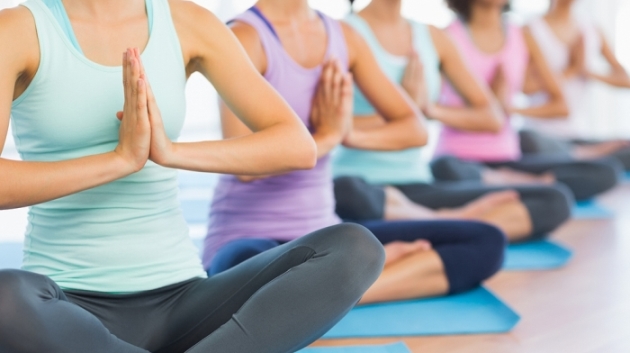
“The body benefits from movement, and the mind benefits from stillness.” -Sakyong Mipham Yoga is the perfect synergy between asana (posture), pranayama (breathwork), and meditation. When you develop a consistent yoga practice, you create a strong body and a centered calm mind. One effective approach to stepping into your personal…

Health and Fitness

What is Mantra Yoga? An Informative Guide

Mantra Yoga, often referred to as the practice of using mantras in yoga, is a discipline that combines the power of sound with the physical and mental practices of yoga. It involves the repetition of sacred sounds or phrases to achieve spiritual, mental, and physical benefits. Here’s an in-depth look…

Health and Fitness

Why is Kundalini Yoga Dangerous?

Kundalini Yoga is a spiritual practice known for its intense focus on awakening the latent energy within the human body. This practice is deeply rooted in ancient traditions, but in recent years, it has gained popularity worldwide. However, with its rise in popularity, concerns about its potential dangers have also…

Health and Fitness

The 10 Best Yoga Retreats in Mexico

Mexico is a vibrant and diverse country that offers a perfect blend of culture, natural beauty, and serene landscapes, making it an ideal destination for yoga retreats. Whether you are looking to deepen your practice, relax in a tranquil environment, or explore the rich Mexican heritage, the following ten yoga…

Health and Fitness

How To Choose The Best Yoga Teacher Training Nepal

Starting your journey in yoga teacher training can truly change your life, especially if you choose Nepal as your destination. Known for its deep spiritual roots, this country provides a peaceful setting that’s perfect for those looking to become yoga teachers. With the help of this guide, you’ll be able to explore the…

Health and Fitness

20 Best Yoga Retreats in Costa Rica in 2024

Costa Rica, a small country in Central America, is renowned for its lush rainforests, stunning beaches, and rich biodiversity. In recent years, it has also become a top destination for yoga retreats, attracting practitioners from around the world. The country’s serene environment, combined with its commitment to sustainability and wellness,…

Yoga for Physical Strength

The body benefits from movement, and the mind benefits from stillness.” -Sakyong Mipham

Yoga is the perfect synergy between asana (posture), pranayama (breathwork), and meditation. When you develop a consistent yoga practice, you create a strong body and a centered calm mind. One effective approach to stepping into your personal power is to emphasize building physical strength through your yoga practice. These classes will help you strengthen bones and joints, increase endurance and stamina, and boost your mood with endorphins.

When you focus on building physical strength, you’re not just becoming more muscularly toned, you’re ensuring the health of your spine, your cardiovascular and nervous systems, and more. We’ve only got this one body and yoga asana is an excellent way to maintain fitness for your entire life. Like Joseph Pilates’ said, “Physical fitness is the first requisite of happiness.” Think of your yoga practice as a vehicle to allow you to stay active and vibrant as long as possible.

Yoga asana originated to allow the yogi to be able to sit still and meditate for long periods of time. If you aren’t strong or flexible enough to sit comfortably, you’ll be challenged to quiet your mind and find Santosha (contentment). When you focus on challenging your body’s limits, you tap into your inner resolve and filter out distractions, which reduces stress and encourages more balanced emotions. You simply can’t separate the physical, mental, and spiritual benefits of yoga. Even if all you care about is mastering Mayurasana (Peacock) or Sirsasana (Headstand), you will still find more clarity, calm, and joy within yourself.

Whether you’re accustomed to emphasizing the physical, mental, or spiritual aspects in your own practice, all approaches lead to the same place––learning to live in the present moment. In this space, we can release self-doubt and unleash our inner warrior, becoming the most powerful version of ourselves. Whether you’re accustomed to a slow-paced Iyengar class a fast Power Yoga flow, or a quieter practice like Yin or Restorative, you’re building strength, balance, flexibility, and equanimity.

Join us this week for some fun classes that will not only challenge you physically but will empower you to be your strongest self––outside and in.

200 Hour Yoga Teacher Training Course in Bali

Indeed, it is fact that more than 90 percent of people do yoga for stress relief, health besides physical fitness. However, doing yoga is not piece of cake, one need to get indulge in training in order to know about it on the whole. For this, one needs to be introducing with 200 hour yoga teaching training programme. This course turns out to be beneficial in matter of skills and knowledge related to yoga. Moreover, it boost up the confidence level in masses by introducing them with yoga based on ashtanga and vinyasa flow style.

200 hour yoga teacher training course is ground on eight limbs of yoga. The name 8 limbs derived from Sanskrit term ashtanga. The limbs are yama, niyama, asana, pranayama, pratyahara, dharana, dhyana and Samadhi. This programme will benefit each person in different way. One can find it as way of relax, other can also find themselves more energetic .moreover, and it will have positive point of exposure to other styles of asana on an individual.

This high level teacher training will take you past the 200 Hour level and leave you prepared to instruct with certainty and profundity. Study progressed postures, and figure out how to show the nuts and bolts with more noteworthy refinement. Each period of asana study is educated by life structures, arrangement, and physiology, setting you up to apply that information to each grouping you make. In all asana work, you will figure out how to guard understudies with adjustments and investigate the mending capability of yoga to address numerous issues like back agony, monthly cycle, nervousness, and hypertension, to give some examples.

Course Overview:

Yoga Anatomy and Physiology

Exhaustive and profound investigation of stances life structures, developments and the vital frameworks of the body. Figure out how the body parts function and apply this information for protected and successful practice and instructing.

Dominating The Asanas (Postures)

Course incorporates profound act of asanas (Postures), Ashtanga yoga, vinyasa stream just as its hypothesis. Understudies are additionally given a different class on arrangement change encouraging approach as these are essential for the preparation; this class gives sufficient opportunity to understudies to cooperate with their educators and discovering the appropriate responses of their inquiries.

yoga-school-in-bali (4)

Yoga Philosophy

Yoga theory in Sanskrit called yoga darshan which means controlling understudies through way of thinking of existence with the assistance of antiquated yoga writings to the point of yoga. 200 Hour Course at vinyasa yoga school gives lessons of the spiritualist sage’s ‘Patanjali yoga sutras’ which instructs understudies to figure out how to carry on with suitable life.

Meditation and Mantra Chanting

Mantras – Sound vibrations that saturate each cell of your being and permit your brain to disintegrate and rest. Reflection is what gives you profound rest. Contemplation is an action wherein the professional simply sits and permits the brain to disintegrate. The rest in contemplation is more profound than the most profound rest that you can actually have. At the point when the brain turns out to be liberated from disturbance, is quiet and tranquil and settled, reflection occurs.

Pranayama

The “prana” makes an atmosphere around the body. It moves through large number of unobtrusive energy channels called ‘nadis’ and energy focuses called ‘chakras’. The amount and nature of prana and the manner in which it courses through the nadis and chakras decides one’s perspective. In the event that the prana level is high and its stream is persistent, smooth and consistent, the brain stays to avoid panicking, positive and energetic.

Ayurveda

Ayurveda is old information that demonstrates the actual proportion of life, exhorting on the fitting and improper, upbeat and dismal states of living, and suggesting rehearses favourable for life span.

Discipline Rules for Students at Yoga Teacher Training:

  1. Smoking, any sort of medications and liquor are carefully restricted in at Bali Yoga Teacher Training Centre.
  2. In the event that you are intending to go out for lunch or supper so you need to advise kitchen director for dodging food squander.
  3. Continuously keep all the standards and guideline, regard the educators and different understudies in school.
  4. Go to all the classes and consistently make serene charge in the class and school.
  5. In the event that you have any having a place things from Bali Yoga Teacher Training Centre gathering so please return that back before your takeoff.
  6. During your visit in Bali Yoga Teacher Training Centre, on the off chance that you need to welcome your relative or companion in the school or in your room during the day so please take that individual to the front work area sole subsequent to looking into his/her Identification demonstrate, we will release the individual in.

11 Yoga Poses for Knee Pain Relief: Effective Solutions

Knee pain is a common issue that can arise from various causes such as arthritis, injury, or overuse. Yoga can be an effective way to manage and alleviate knee pain by strengthening the muscles around the knee, improving flexibility, and promoting proper alignment. Here are 11 yoga poses that can help relieve knee pain:

Mountain Pose (Tadasana)

Tadasana

  • Benefits: Improves posture, strengthens the legs, and promotes proper alignment.
  • How to Do It: Stand with your feet hip-width apart, weight evenly distributed. Engage your thighs and lift your chest. Keep your shoulders relaxed and arms by your sides. Breathe deeply and hold for 30 seconds to 1 minute.

Chair Pose (Utkatasana)

Utkatasana

  • Benefits: Strengthens the quadriceps, which support the knee joint, and improves balance.
  • How to Do It: Stand with feet together. Bend your knees and lower your hips as if sitting in a chair. Keep your back straight and arms extended overhead. Hold for 20-30 seconds, then return to standing.

Warrior I (Virabhadrasana I)

Virabhadrasana-I

  • Benefits: Strengthens the legs, hips, and core, and improves stability.
  • How to Do It: Step one foot back and bend the front knee. Keep your back leg straight and feet hip-width apart. Raise your arms overhead and look forward. Hold for 30 seconds to 1 minute, then switch sides.

Warrior II (Virabhadrasana II)

Virabhadrasana-2

  • Benefits: Strengthens the thighs and improves flexibility in the hips and knees.
  • How to Do It: From Warrior I, open your hips and shoulders to face the side. Extend your arms parallel to the floor and gaze over your front hand. Hold for 30 seconds to 1 minute, then switch sides.

Tree Pose (Vrksasana)

Vrksasana

  • Benefits: Enhances balance and strengthens the muscles around the knee.
  • How to Do It: Stand on one leg and place the sole of your other foot on your inner thigh or calf (avoid the knee). Bring your hands to prayer position at your chest or extend them overhead. Hold for 20-30 seconds, then switch sides.

Bridge Pose (Setu Bandhasana)

Naukasana-Pose

  • Benefits: Strengthens the glutes, hamstrings, and lower back, which support the knee joint.
  • How to Do It: Lie on your back with knees bent and feet hip-width apart. Lift your hips towards the ceiling while pressing your feet and arms into the floor. Hold for 20-30 seconds, then lower your hips.

Leg Raises (Supta Padangusthasana)


  • Benefits: Stretches the hamstrings and strengthens the quadriceps, reducing strain on the knees.
  • How to Do It: Lie on your back and extend one leg straight up towards the ceiling. Use a strap or towel around your foot for support. Hold for 20-30 seconds, then switch legs.

Downward-Facing Dog (Adho Mukha Svanasana)

  • Benefits: Stretches and strengthens the entire body, including the legs and knees.
  • How to Do It: Start on your hands and knees. Lift your hips towards the ceiling, straightening your legs and forming an inverted V shape. Press your heels towards the floor. Hold for 30 seconds to 1 minute.

Cat-Cow Pose (Marjaryasana-Bitilasana)

  • Benefits: Increases flexibility in the spine and pelvis, reducing strain on the knees.
  • How to Do It: Start on your hands and knees. Inhale as you arch your back (Cow Pose) and exhale as you round your spine (Cat Pose). Continue for 30 seconds to 1 minute.

Child’s Pose (Balasana)

yoga-school-in-bali (4)

  • Benefits: Gently stretches the knees, hips, and back, providing relief from knee pain.
  • How to Do It: Kneel on the floor and sit back on your heels. Reach your arms forward on the floor and lower your forehead to the mat. Hold for 30 seconds to 1 minute.

Butterfly Pose (Baddha Konasana)

Butterfly-Pose

  • Benefits: Opens the hips and stretches the inner thighs, which can relieve knee discomfort.
  • How to Do It: Sit with your legs bent and the soles of your feet together. Gently press your knees towards the floor and lean forward slightly if comfortable. Hold for 30 seconds to 1 minute.

Tips for Practicing Yoga with Knee Pain

1. Consult a Healthcare Professional

  • Importance: Before starting or continuing yoga with knee pain, consult a healthcare provider to determine the cause of your knee discomfort and get personalized recommendations.
  • Action: Obtain a diagnosis and ensure there are no contraindications for practicing yoga.

2. Choose Low-Impact Poses

  • Importance: Low-impact poses reduce strain on the knees and help avoid aggravating the pain.
  • Examples: Opt for poses like Child’s Pose, Cat-Cow, and Bridge Pose, which are gentle on the knees.

3. Use Props for Support

  • Importance: Props can provide stability, reduce strain, and modify poses to accommodate knee pain.
  • Examples: Use yoga blocks for support in standing poses, blankets for cushioning in seated poses, and straps to assist with flexibility.

4. Modify Poses as Needed

  • Importance: Adjusting poses can make them more accessible and comfortable for those with knee pain.
  • Action: Modify poses to avoid deep bending or pressure on the knees. For instance, perform a supported Warrior II with a block under your hands.

5. Focus on Alignment

  • Importance: Proper alignment prevents unnecessary stress on the knees and helps maintain joint health.
  • Action: Pay attention to the alignment of your feet, hips, and knees in each pose. Ensure your knees track in line with your toes.

6. Strengthen Supporting Muscles

  • Importance: Strengthening the muscles around the knees can provide better support and alleviate pain.
  • Action: Incorporate exercises that strengthen the quadriceps, hamstrings, and calves into your yoga practice.

7. Avoid High-Impact or Deep Bending Poses

  • Importance: High-impact or deep bending poses can exacerbate knee pain.
  • Examples: Avoid poses like Deep Squats or intense lunges if they cause discomfort. Opt for gentler alternatives.

8. Incorporate Gentle Stretching

  • Importance: Gentle stretching can improve flexibility and reduce tension around the knee joint.
  • Examples: Include stretches like the Reclining Hand-to-Big-Toe Pose or Supine Figure-Four Pose.

9. Listen to Your Body

  • Importance: Paying attention to your body’s signals helps prevent further injury and discomfort.
  • Action: If a pose causes pain, back off or modify it. Respect your limits and avoid pushing through discomfort.

10. Practice Mindfulness and Breathing Techniques

  • Importance: Mindfulness and proper breathing can help you manage pain and stay focused during your practice.
  • Action: Incorporate deep breathing exercises and mindfulness techniques to promote relaxation and reduce pain perception.

11. Warm-Up and Cool Down

  • Importance: Warming up prepares your muscles and joints for activity, while cooling down helps with recovery.
  • Action: Begin with gentle warm-up exercises like Cat-Cow Pose and end with restorative poses like Legs-Up-The-Wall Pose.

12. Incorporate Restorative Yoga

  • Importance: Restorative yoga helps to relax the body and mind while providing gentle support for knee pain.
  • Examples: Use poses like Supported Bridge Pose or Supta Baddha Konasana with bolsters and blankets for added comfort.

13. Avoid Twisting or Hyperextending the Knee

  • Importance: Twisting or hyperextending the knee can exacerbate pain and lead to injury.
  • Action: Modify or avoid poses that involve excessive twisting or hyperextension of the knee joint.

14. Seek Guidance from a Qualified Instructor

  • Importance: An experienced instructor can provide personalized modifications and ensure proper technique.
  • Action: Work with a yoga teacher who has experience with knee pain and can guide you through appropriate modifications.

15. Practice Consistency

  • Importance: Regular practice can help improve joint health and manage pain over time.
  • Action: Incorporate yoga into your routine consistently, focusing on gentle, knee-friendly poses.

Practicing yoga with knee pain requires careful attention to avoid exacerbating the issue while still benefiting from the practice. By following these tips, you can create a safe and effective yoga practice that supports knee health and overall well-being. Remember to consult with healthcare professionals and listen to your body to ensure a positive and pain-free yoga experience.

FAQ on Yoga Poses for Knee Pain Relief

1. What are the best yoga poses for relieving knee pain?

Some of the best yoga poses for knee pain relief include:

  • Mountain Pose (Tadasana): Improves alignment and strengthens legs.
  • Chair Pose (Utkatasana): Strengthens the quadriceps, which support the knee.
  • Bridge Pose (Setu Bandhasana): Strengthens the glutes and hamstrings, reducing knee strain.
  • Child’s Pose (Balasana): Gently stretches and relaxes the knees.
  • Leg Raises (Supta Padangusthasana): Stretches the hamstrings and reduces knee discomfort.

2. Can yoga worsen knee pain?

Yoga can potentially worsen knee pain if poses are performed incorrectly or if modifications are not used. It’s important to use proper alignment, avoid high-impact or deep bending poses, and listen to your body. Consulting with a healthcare professional or experienced yoga instructor can help ensure that you practice safely.

3. How can I modify yoga poses to accommodate knee pain?

Modifying yoga poses for knee pain involves:

  • Using Props: Employ yoga blocks, blankets, or straps for support and stability.
  • Adjusting Depth: Avoid deep bends or high-impact movements; use less intense variations.
  • Choosing Alternatives: Opt for gentle poses that do not strain the knees, such as Child’s Pose instead of Deep Squats.

4. Is it safe to practice yoga with a recent knee injury?

If you have a recent knee injury, it’s crucial to consult with a healthcare provider before practicing yoga. They can provide guidance on what poses are safe and which should be avoided. It’s generally advisable to start with gentle, restorative poses and avoid any movements that cause pain.

5. How often should I practice yoga for knee pain relief?

Practicing yoga consistently, about 2-3 times per week, can help manage knee pain and improve overall joint health. However, the frequency should be adjusted based on your comfort level and the severity of your knee pain. Always listen to your body and avoid overexertion.

6. Are there specific yoga poses to avoid with knee pain?

Yes, poses that put excessive strain on the knees should be avoided or modified. These include:

  • Deep Squats or Lunges: Can put significant pressure on the knees.
  • Forward Bends: Intense forward folds can strain the knees if not done with proper alignment.
  • Twisting Poses: Excessive twisting can exacerbate knee pain if not properly supported.

7. Can yoga help with chronic knee conditions like arthritis?

Yoga can be beneficial for chronic knee conditions such as arthritis by improving flexibility, strength, and alignment. Gentle, low-impact poses and proper modifications can help reduce pain and improve mobility. Always consult with a healthcare provider to tailor the practice to your specific condition.

8. What should I do if I experience pain during a yoga session?

If you experience pain during yoga, stop the pose immediately and assess your alignment and technique. Use props or modifications to make the pose more comfortable. If pain persists, consult with a healthcare provider or a qualified yoga instructor for personalized advice.

9. How can I strengthen the muscles around my knee through yoga?

Strengthening the muscles around the knee can be achieved through poses that target the quadriceps, hamstrings, and calves:

  • Chair Pose (Utkatasana): Strengthens the quadriceps.
  • Bridge Pose (Setu Bandhasana): Targets the glutes and hamstrings.
  • Leg Raises (Supta Padangusthasana): Strengthens the hamstrings.

10. Can I use yoga as a long-term solution for managing knee pain?

Yes, incorporating yoga into your routine can be a long-term solution for managing knee pain. Regular practice, combined with proper modifications and attention to alignment, can help improve knee function and reduce pain over time. Always consult with a healthcare provider to ensure it complements your overall treatment plan.

11. Are there specific breathing techniques that can help with knee pain during yoga?

Yes, breathing techniques can aid in managing knee pain during yoga:

  • Deep Breathing: Helps relax the body and reduce tension.
  • Mindful Breathing: Focus on your breath to stay present and avoid pushing through pain.
  • Abdominal Breathing: Promotes relaxation and helps manage discomfort.

By addressing these common questions, you can better understand how to safely and effectively use yoga for knee pain relief. Always remember to consult with professionals and listen to your body’s signals.

What is Mantra Yoga? An Informative Guide

Mantra Yoga, often referred to as the practice of using mantras in yoga, is a discipline that combines the power of sound with the physical and mental practices of yoga. It involves the repetition of sacred sounds or phrases to achieve spiritual, mental, and physical benefits. Here’s an in-depth look at Mantra Yoga, exploring its origins, practices, benefits, and how to incorporate it into your yoga routine.

What is Mantra Yoga?

Mantra Yoga is a form of yoga that focuses on the repetition and meditation of mantras—sacred words, sounds, or phrases that are believed to hold spiritual significance and vibrational energy. The practice of mantra chanting or silent repetition is used to deepen meditation, enhance concentration, and connect with the divine.

Origins and History

The concept of mantras has ancient roots in Hinduism, Buddhism, and Jainism. Mantras are found in the Vedic texts, the oldest sacred scriptures of Hinduism. They were originally used in rituals and spiritual practices to invoke deities and enhance meditation. Over time, the practice of chanting mantras evolved and was integrated into various forms of yoga, including Mantra Yoga, which combines the vibrational power of sound with physical postures and meditation.

How Mantra Yoga Works

  • Mantra Selection: Mantras can be single syllables, words, or phrases, often in Sanskrit. Common examples include “Om,” “So Hum,” and “Shanti.” Each mantra carries a specific vibration and intention.
  • Repetition: Mantras are repeated either aloud or silently during meditation. This repetition helps focus the mind, quieting mental chatter and fostering a deeper state of awareness.
  • Integration with Yoga Postures: In some practices, mantras are combined with physical yoga postures. This integration can enhance the effectiveness of both the physical practice and the mantra meditation.
  • Breathing Techniques: Mantra Yoga often incorporates specific breathing techniques (pranayama) to harmonize the breath with the chanting. This combination helps amplify the effects of the mantra.

Benefits of Mantra Yoga

  • Enhanced Mental Focus: Repeating mantras helps calm the mind and improve concentration. This focused attention can lead to greater clarity and mental stability.
  • Stress Reduction: The practice of mantra chanting can activate the parasympathetic nervous system, promoting relaxation and reducing stress. The rhythmic repetition helps induce a meditative state that soothes the mind.
  • Emotional Balance: Mantras can help release emotional blockages and foster emotional healing. The vibrational quality of mantras can bring about a sense of inner peace and balance.
  • Spiritual Connection: Many practitioners use mantras to connect with their spiritual self or higher consciousness. Chanting mantras can facilitate a sense of spiritual alignment and inner harmony.
  • Improved Meditation Practice: Integrating mantras into meditation can deepen the practice by providing a focal point. This can enhance the overall effectiveness of meditation and increase the likelihood of experiencing profound states of awareness.
  • Vibrational Healing: Mantras are believed to have specific vibrational frequencies that can promote healing on physical, emotional, and spiritual levels. Regular practice can help align the body’s energy and restore balance.
  • Increased Self-Awareness: Mantra Yoga encourages self-reflection and awareness through its meditative aspects. This heightened awareness can lead to greater self-understanding and personal growth.
  • Boosted Immune System: The relaxation and stress reduction associated with mantra practice can positively impact the immune system, contributing to overall health and well-being.
  • Enhanced Breath Control: Combining mantras with breathwork helps improve respiratory function and control. This synergy can enhance overall physical health and energy levels.
  • Cultivation of Positive Mindset: Repeating positive and affirming mantras can shift mental patterns and cultivate a more positive outlook on life.

How to Practice Mantra Yoga

  • Choose a Mantra: Select a mantra that resonates with you. This can be a traditional Sanskrit mantra or a personal affirmation.
  • Find a Quiet Space: Create a peaceful environment where you can practice without distractions. This can be a dedicated meditation space or any calm area.
  • Sit Comfortably: Sit in a comfortable position, either on the floor with a cushion or in a chair. Ensure that your spine is straight and your posture is relaxed.
  • Begin Chanting or Repeating: Start by either chanting the mantra aloud or repeating it silently in your mind. Focus on the sound and vibration of the mantra.
  • Incorporate Breathwork: If you wish, combine mantra repetition with specific breathing techniques. Inhale deeply while mentally or verbally repeating the mantra, and exhale slowly.
  • Maintain Focus: Gently bring your attention back to the mantra if your mind begins to wander. Allow the repetition to guide you into a deeper meditative state.
  • Practice Regularly: Consistency is key. Incorporate mantra practice into your daily routine, even if for just a few minutes, to experience its full benefits.

Common Mantras and Their Meanings

  • Om (Aum): The primordial sound representing the universe and the ultimate reality. It signifies the essence of the divine and the oneness of all existence.
  • So Hum: Translated as “I am that,” this mantra reflects the realization of the self as a part of the divine.
  • Shanti (Peace): Often repeated for invoking peace and tranquility, both internally and externally.
  • Om Namah Shivaya: A mantra dedicated to Lord Shiva, representing the divine energy and consciousness.
  • Om Mani Padme Hum: A Tibetan mantra meaning “The jewel is in the lotus,” symbolizing the union of wisdom and compassion.

Conclusion

Mantra Yoga is a profound practice that integrates the power of sacred sounds with the principles of yoga. By incorporating mantras into your yoga and meditation routine, you can experience enhanced mental clarity, emotional balance, spiritual connection, and overall well-being. Whether you are new to Mantra Yoga or looking to deepen your practice, exploring the transformative effects of mantras can lead to a richer and more fulfilling journey on the path of yoga.

FAQ on Mantra Yoga

1. What is Mantra Yoga?

Mantra Yoga is a practice that involves using mantras—sacred words, phrases, or sounds—in meditation and yoga. The repetition of these mantras helps to focus the mind, enhance meditation, and connect with spiritual energies.

2. What is a mantra?

A mantra is a word or sound repeated during meditation to aid concentration and bring about spiritual or mental transformation. Mantras are often in Sanskrit and are believed to have specific vibrational qualities that influence the mind and body.

3. How does Mantra Yoga work?

Mantra Yoga works by incorporating the repetition of mantras into meditation or yoga practice. The repetition of the mantra helps focus the mind, calm mental chatter, and foster a deeper state of awareness and connection.

4. What are the benefits of practicing Mantra Yoga?

Practicing Mantra Yoga offers numerous benefits, including improved mental focus, stress reduction, emotional balance, enhanced spiritual connection, vibrational healing, and increased self-awareness. It also supports relaxation, breath control, and overall well-being.

5. Can beginners practice Mantra Yoga?

Yes, beginners can practice Mantra Yoga. It’s accessible to all levels, and starting with simple mantras and short practice sessions can help ease into the practice. It’s recommended to start with guidance from an experienced instructor if possible.

6. How do I choose a mantra?

Choosing a mantra can be a personal process. You can select traditional Sanskrit mantras known for their spiritual significance, or use a personal affirmation that resonates with your goals. It’s important that the mantra feels meaningful and aligned with your intentions.

7. Do I need to chant the mantra out loud?

Mantras can be chanted aloud, repeated silently in the mind, or even whispered. The choice depends on personal preference and the context of your practice. The key is to focus on the vibration and meaning of the mantra.

8. How often should I practice Mantra Yoga?

Consistency is important for experiencing the benefits of Mantra Yoga. Practicing daily, even for a short period, is ideal. Beginners can start with a few minutes each day and gradually increase the duration as they become more comfortable.

9. Is Mantra Yoga suitable for everyone?

Mantra Yoga is generally suitable for most people. However, those with specific mental or physical health conditions should consult with a healthcare provider or experienced yoga instructor to ensure the practice is appropriate for their needs.

10. Can Mantra Yoga be combined with other forms of yoga?

Yes, Mantra Yoga can be integrated with other forms of yoga, such as Hatha, Vinyasa, or Kundalini. Combining mantra practice with physical postures and breathwork can enhance the overall benefits and create a well-rounded yoga experience.

11. What is the best time of day to practice Mantra Yoga?

Mantra Yoga can be practiced at any time of day. Many practitioners prefer to practice in the morning to start the day with a calm and focused mind, while others may find it beneficial in the evening for relaxation and unwinding.

12. Do I need special equipment for Mantra Yoga?

No special equipment is required for Mantra Yoga. A comfortable and quiet space is sufficient. You may use a yoga mat or cushion for added comfort, but the primary focus is on the practice of the mantra.

13. How long should each Mantra Yoga session last?

The duration of a Mantra Yoga session can vary based on personal preference and experience. Beginners might start with 5-10 minutes, while more experienced practitioners may spend 20-30 minutes or longer.

14. Can Mantra Yoga help with stress and anxiety?

Yes, Mantra Yoga can help reduce stress and anxiety by promoting relaxation and mental focus. The repetition of mantras helps calm the mind and activate the parasympathetic nervous system, leading to a sense of inner peace.

15. What should I do if I have difficulty focusing during Mantra Yoga?

If you have difficulty focusing, gently bring your attention back to the mantra whenever you notice your mind wandering. Regular practice will improve concentration over time. It can also be helpful to start with shorter sessions and gradually increase the duration.

16. Are there specific breathing techniques used in Mantra Yoga?

Yes, Mantra Yoga often incorporates breathing techniques (pranayama) to complement the chanting. Deep, rhythmic breathing helps synchronize with the mantra and enhances the meditative experience.

17. Can Mantra Yoga be practiced in a group setting?

Yes, Mantra Yoga can be practiced individually or in a group setting. Group practice can provide additional support and energy, and many yoga studios offer classes that include mantra chanting as part of their curriculum.

18. How do mantras affect the mind and body?

Mantras affect the mind and body through their vibrational quality, which can influence mental states and physical health. The repetitive nature of mantras helps focus the mind, reduce stress, and promote a sense of inner harmony.

19. Can I use Mantra Yoga for spiritual growth?

Yes, Mantra Yoga is often used for spiritual growth. The practice of chanting mantras can enhance spiritual awareness, deepen meditation, and foster a connection with higher consciousness or divine energies.

20. Where can I learn more about Mantra Yoga?

You can learn more about Mantra Yoga through yoga classes, workshops, books, and online resources. Joining a class with an experienced instructor can provide personalized guidance and deepen your understanding of the practice.

Why is Kundalini Yoga Dangerous?

Kundalini Yoga is a spiritual practice known for its intense focus on awakening the latent energy within the human body. This practice is deeply rooted in ancient traditions, but in recent years, it has gained popularity worldwide. However, with its rise in popularity, concerns about its potential dangers have also emerged. This article explores the risks associated with Kundalini Yoga, shedding light on why it can be considered dangerous.

Understanding Kundalini Energy

Kundalini energy is often described as a coiled serpent lying dormant at the base of the spine. The goal of Kundalini Yoga is to awaken this energy and guide it through the chakras, or energy centers, of the body until it reaches the crown chakra, leading to a state of enlightenment. While this process is said to bring spiritual awakening, it also carries significant risks.

The Process of Awakening Kundalini Energy

yoga-teacher-training-in-bali

The process of awakening Kundalini energy involves a combination of physical postures (asanas), breath control (pranayama), meditation, and chanting. Practitioners believe that these practices help to unblock energy pathways and allow the Kundalini energy to rise. However, this process can be intense and overwhelming, especially for those who are unprepared.

Methods of Awakening Kundalini

best-yoga-teacher-training3

  1. Breathing Exercises (Pranayama): Specific breathing techniques are used to stimulate the energy flow. However, improper practice can lead to hyperventilation, dizziness, and even panic attacks.
  2. Chanting and Mantras: These are used to focus the mind and awaken the energy. But, excessive chanting can lead to altered states of consciousness that may be unsettling.
  3. Physical Postures (Asanas): These postures are designed to prepare the body for the rise of Kundalini energy. However, if done incorrectly, they can cause physical strain and injury.

The Psychological Risks of Kundalini Yoga

yoga-teacher-training-bali

One of the most concerning aspects of Kundalini Yoga is its impact on mental health. The awakening of Kundalini energy can lead to intense psychological experiences that are difficult to manage.

Emotional Instability

Practicing Kundalini Yoga can bring suppressed emotions to the surface, leading to emotional instability. Practitioners may experience extreme mood swings, overwhelming emotions, and a sense of losing control.

best-yoga-teacher-training5

Anxiety and Panic Attacks

The intense energy shifts associated with Kundalini awakening can trigger anxiety and panic attacks. The unfamiliar sensations and heightened awareness can be overwhelming, leading to a state of constant fear or unease.

Psychosis and Hallucinations

In extreme cases, Kundalini awakening can lead to psychosis or hallucinations. The sudden influx of energy can cause a disconnect from reality, leading to confusion, paranoia, and even delusions.

The Physical Dangers of Kundalini Yoga

yoga (2) (1)

While Kundalini Yoga is primarily known for its spiritual and psychological effects, it also poses significant physical risks.

Nervous System Overload

The sudden rise of Kundalini energy can overwhelm the nervous system, leading to symptoms such as headaches, migraines, dizziness, and physical exhaustion. The nervous system may not be equipped to handle the intense energy, leading to burnout or collapse.

Chakra Overstimulation

Kundalini Yoga aims to activate the chakras, but overstimulation can lead to energetic imbalances. This can result in physical symptoms such as heart palpitations, digestive issues, and respiratory problems.

Somatic Symptoms

Practitioners may experience various somatic symptoms, including nausea, body aches, and muscle spasms. These symptoms can be a result of the body’s attempt to adjust to the intense energy flow.

Spiritual and Energetic Risks

The spiritual aspects of Kundalini Yoga can also be dangerous, particularly for those who are not spiritually prepared or guided.

Spiritual Crisis or Emergency

A sudden awakening of Kundalini energy can lead to a spiritual crisis or emergency. This occurs when the individual is unable to integrate the spiritual experiences, leading to confusion, fear, and a sense of losing one’s identity.

Negative Spiritual Entities

Some practitioners believe that the awakening of Kundalini energy can attract negative spiritual entities or energies. These entities may interfere with the practitioner’s spiritual path, leading to negative experiences or even spiritual harm.

best-yoga-teacher-training4

Energetic Imbalances

Improper handling of Kundalini energy can lead to energetic imbalances. This can manifest as feeling “off,” disconnected from reality, or experiencing a loss of grounding.

The Importance of Proper Guidance

Given the risks associated with Kundalini Yoga, proper guidance from an experienced teacher is crucial.

The Role of a Teacher

An experienced teacher can help navigate the challenges of Kundalini Yoga, ensuring that the practices are done safely and effectively. They can provide the necessary support and guidance to help manage the intense experiences that may arise.

Risks of Self-Exploration

yoga-teacher-training-school (8)

Practicing Kundalini Yoga without proper guidance can be dangerous. The individual may not be able to handle the intense experiences, leading to physical, psychological, and spiritual harm.

How to Find a Qualified Teacher

When looking for a teacher, it is important to find someone with experience and a deep understanding of Kundalini Yoga. They should be able to provide personalized guidance and support, helping the practitioner to navigate the challenges safely.

Case Studies and Personal Experiences

yoga-training-course

Real-life case studies and personal experiences highlight the potential dangers of Kundalini Yoga.

Case Study 1: Overwhelming Energy and Mental Breakdown

One individual experienced a sudden awakening of Kundalini energy, leading to overwhelming sensations and a mental breakdown. The individual was unable to cope with the intense energy, resulting in a long-term psychological impact.

Case Study 2: Physical Exhaustion and Nervous System Collapse

yoga-school-in-bali (4)

Another practitioner experienced severe physical exhaustion and nervous system collapse after practicing Kundalini Yoga intensively. The individual was left bedridden for weeks, highlighting the physical risks of the practice.

Case Study 3: Spiritual Crisis and Loss of Identity

A third case involved a spiritual crisis where the individual lost their sense of identity. The sudden influx of Kundalini energy led to confusion, fear, and a sense of losing oneself.

Managing the Risks of Kundalini Yoga

meditation-teacher-training-bali1

Despite the dangers, there are ways to manage and mitigate the risks associated with Kundalini Yoga.

Preparation and Readiness

Before practicing Kundalini Yoga, it is important to prepare mentally, physically, and spiritually. This involves building a strong foundation in other forms of yoga and meditation and ensuring that one is emotionally and psychologically stable.

Safe Practices

Practicing Kundalini Yoga safely involves progressing gradually, listening to one’s body and mind, and seeking guidance from an experienced teacher. It is important to be aware of the risks and take steps to mitigate them.

yoga-teacher-training (37)

Balancing Kundalini with Other Practices

To maintain balance, it is recommended to integrate Kundalini Yoga with other forms of yoga and mindfulness practices. This can help to ground the practitioner and prevent the negative effects of Kundalini awakening.

Conclusion

Kundalini Yoga is a powerful spiritual practice with the potential for profound transformation. However, it also carries significant risks, particularly for those who are unprepared or lack proper guidance. By understanding these risks and taking the necessary precautions, practitioners can approach Kundalini Yoga with caution and respect, ensuring a safer and more balanced experience.

meditation-teacher-training-bali

FAQs on Why Kundalini Yoga is Dangerous

1. What is Kundalini Yoga?

Kundalini Yoga is a spiritual practice that focuses on awakening the dormant energy, known as Kundalini, located at the base of the spine. The practice involves a combination of physical postures, breath control, chanting, and meditation to stimulate this energy and guide it through the body’s chakras.

2. Why is Kundalini Yoga considered dangerous?

Kundalini Yoga is considered dangerous because it can trigger intense physical, psychological, and spiritual experiences. The sudden awakening of Kundalini energy can lead to mental health issues, nervous system overload, and spiritual crises if not handled properly.

yoga-teacher-training (43)

3. What are the psychological risks associated with Kundalini Yoga?

Psychological risks include emotional instability, anxiety, panic attacks, and in extreme cases, psychosis or hallucinations. The intense energy shifts can overwhelm the mind, leading to these adverse effects.

4. Can Kundalini Yoga cause physical harm?

Yes, Kundalini Yoga can cause physical harm, particularly if the practices are performed incorrectly or without proper guidance. Risks include nervous system overload, headaches, dizziness, and other somatic symptoms such as nausea and muscle spasms.

5. What is a Kundalini crisis or spiritual emergency?

A Kundalini crisis or spiritual emergency occurs when the individual cannot integrate the intense spiritual experiences associated with Kundalini awakening. This can lead to confusion, fear, and a sense of losing one’s identity.

yoga-teacher-training (42)

6. Are there any long-term effects of an improper Kundalini awakening?

Yes, improper Kundalini awakening can lead to long-term effects such as chronic anxiety, depression, and a persistent sense of disconnection from reality. Physical symptoms such as chronic fatigue and nervous system issues can also persist.

7. How can I practice Kundalini Yoga safely?

To practice Kundalini Yoga safely, it is important to start slowly and progress gradually. Always seek guidance from an experienced teacher, be aware of your body’s limits, and avoid pushing yourself too hard. Balancing Kundalini Yoga with other grounding practices is also recommended.

8. Is it necessary to have a teacher for Kundalini Yoga?

Yes, having an experienced teacher is crucial when practicing Kundalini Yoga. A qualified teacher can guide you through the process safely, help manage any intense experiences, and ensure that you are practicing in a way that minimizes risks.

9. What should I do if I experience negative symptoms during Kundalini Yoga?

If you experience negative symptoms such as anxiety, physical discomfort, or emotional instability, it is important to stop the practice and seek help. Consulting with a qualified Kundalini Yoga teacher or a mental health professional is advisable.

yoga-teacher-training (41)

10. Is Kundalini Yoga suitable for everyone?

Kundalini Yoga is not suitable for everyone, especially those with pre-existing mental health conditions or physical ailments. It is important to assess your readiness and consult with a healthcare professional or experienced teacher before starting the practice.

11. Can Kundalini Yoga attract negative spiritual entities?

Some practitioners believe that improper Kundalini awakening can attract negative spiritual entities or energies. This is a spiritual concern and underscores the importance of proper guidance and preparation.

12. What are the signs of a Kundalini awakening?

Signs of a Kundalini awakening include heightened energy levels, increased sensitivity to light and sound, intense emotions, vivid dreams, and a feeling of energy moving through the body. While these can be positive, they can also be overwhelming if not managed properly.

13. How can I find a qualified Kundalini Yoga teacher?

To find a qualified Kundalini Yoga teacher, look for someone with extensive experience and a deep understanding of the practice. It’s also helpful to seek recommendations from trusted sources and to ask potential teachers about their approach to safety and guidance.

14. Can Kundalini Yoga be practiced alongside other forms of yoga?

Yes, Kundalini Yoga can be practiced alongside other forms of yoga, and doing so can help maintain balance and prevent the negative effects of an intense Kundalini awakening. Practices like Hatha Yoga or Yin Yoga can be particularly grounding.

15. Is it possible to reverse or stop a Kundalini awakening?

While it is difficult to completely reverse a Kundalini awakening, it is possible to manage and mitigate the symptoms. Grounding practices, rest, and seeking support from a qualified teacher or spiritual advisor can help stabilize the experience.

yoga-teacher-training

This FAQ section provides concise answers to common questions about the dangers of Kundalini Yoga, helping readers to better understand the risks and how to approach the practice safely.

The 10 Best Yoga Retreats in Mexico

Mexico is a vibrant and diverse country that offers a perfect blend of culture, natural beauty, and serene landscapes, making it an ideal destination for yoga retreats. Whether you are looking to deepen your practice, relax in a tranquil environment, or explore the rich Mexican heritage, the following ten yoga retreats in Mexico for 2024 are some of the best options available.

1. Amansala Eco-Chic Resort & Retreat (Tulum)

Amansala Eco-Chic Resort & Retreat is one of Tulum’s premier yoga destinations, known for its stunning beachfront location and eco-friendly accommodations. The retreat offers various yoga programs, including detox and fitness retreats, aimed at rejuvenating the mind, body, and spirit. The beachfront setting provides the perfect backdrop for meditation and yoga practice, while the resort’s holistic approach ensures a balanced and enriching experience.

Highlights:

  • Beachfront yoga classes
  • Detox programs
  • Eco-friendly accommodations
  • Local excursions and activities

2. Yandara Yoga Institute (Baja California Sur)

Located near the pristine beaches of Baja California Sur, Yandara Yoga Institute offers an immersive yoga experience in a peaceful and natural setting. The retreat provides various yoga teacher training programs as well as personal retreats focused on self-discovery and relaxation. The institute’s community-oriented approach and serene environment make it an ideal place for both novice and experienced yogis.

Highlights:

  • Yoga teacher training
  • Beachside location
  • Community-oriented environment
  • Organic vegetarian meals

3. Present Moment Retreat (Troncones)

Present Moment Retreat is a boutique wellness resort located in the serene village of Troncones. The retreat offers a variety of yoga and wellness programs designed to promote relaxation, healing, and personal growth. With its lush tropical gardens and stunning ocean views, Present Moment Retreat provides an idyllic setting for a transformative yoga experience.

Highlights:

  • Daily yoga and meditation classes
  • Wellness and healing programs
  • Oceanfront accommodations
  • Organic cuisine

4. Haramara Retreat (Sayulita)

Nestled in the coastal jungle of Sayulita, Haramara Retreat offers a secluded and intimate yoga retreat experience. The retreat is known for its luxurious accommodations and world-class yoga facilities, including open-air yoga pavilions with breathtaking ocean views. Haramara’s holistic approach to wellness includes organic meals, spa services, and a variety of workshops and activities.

Highlights:

  • Open-air yoga pavilions
  • Luxurious accommodations
  • Holistic wellness programs
  • Organic gourmet meals

5. Radiant Spiral Retreats (Oaxaca)

Radiant Spiral Retreats, located in the heart of Oaxaca, offers unique yoga retreats that combine yoga practice with cultural immersion and adventure. The retreat programs include daily yoga sessions, guided meditations, and excursions to explore the rich cultural heritage and natural beauty of Oaxaca. The intimate setting and personalized approach make it a standout choice for yoga enthusiasts.

Highlights:

  • Cultural immersion and adventure activities
  • Daily yoga and meditation sessions
  • Small, personalized groups
  • Organic, locally sourced meals

6. Maya Tulum Retreat & Spa (Tulum)

Maya Tulum Retreat & Spa is a world-renowned wellness destination that offers a variety of yoga retreats in a stunning beachfront location. The retreat’s programs are designed to promote physical, mental, and spiritual well-being through yoga, meditation, and holistic therapies. Guests can enjoy luxurious accommodations, gourmet meals, and a range of spa services.

Highlights:

  • Beachfront yoga classes
  • Luxurious accommodations
  • Holistic therapies and spa services
  • Gourmet, organic cuisine

7. Tailwind Jungle Lodge (San Pancho)

Tailwind Jungle Lodge, located on the beautiful Riviera Nayarit, offers eco-friendly yoga retreats in a jungle setting. The lodge provides a variety of yoga programs, including retreats focused on adventure, relaxation, and personal growth. The combination of jungle and ocean environments creates a unique and rejuvenating experience for guests.

Highlights:

  • Jungle and ocean settings
  • Eco-friendly accommodations
  • Adventure and relaxation programs
  • Organic, locally sourced meals

8. Casa Om (Puerto Morelos)

Casa Om, situated in the charming town of Puerto Morelos, is a popular yoga retreat destination known for its vibrant community and comprehensive yoga programs. The retreat offers a variety of yoga styles, including hot yoga, vinyasa, and restorative yoga, along with workshops and wellness activities. Casa Om’s welcoming atmosphere and beautiful location make it a top choice for yoga practitioners.

Highlights:

  • Diverse yoga styles and workshops
  • Vibrant, welcoming community
  • Beachfront location
  • Healthy, delicious meals

9. Xinalani Retreat (Puerto Vallarta)

Xinalani Retreat, located near Puerto Vallarta, offers luxurious yoga retreats in a secluded, tropical setting. The retreat features open-air yoga studios, luxurious accommodations, and a range of wellness programs designed to rejuvenate and inspire. With its focus on mindfulness and holistic well-being, Xinalani provides an exceptional yoga retreat experience.

Highlights:

  • Open-air yoga studios
  • Luxurious accommodations
  • Mindfulness and wellness programs
  • Organic, gourmet meals

10. The Sanctuary (Puerto Escondido)

The Sanctuary, located in Puerto Escondido, offers a holistic yoga retreat experience that combines yoga practice with spiritual growth and community living. The retreat provides daily yoga and meditation classes, as well as workshops and activities focused on personal development and healing. The supportive community and serene environment make The Sanctuary a unique and transformative retreat destination.

Highlights:

  • Daily yoga and meditation classes
  • Holistic and spiritual growth programs
  • Supportive, community-oriented environment
  • Healthy, vegetarian meals

Conclusion

Mexico offers an array of incredible yoga retreats, each providing unique experiences and settings that cater to different needs and preferences. Whether you’re looking to deepen your yoga practice, embark on a spiritual journey, or simply relax in a beautiful natural environment, these ten yoga retreats in Mexico in 2024 are among the best options available. Each retreat offers a combination of exceptional yoga instruction, luxurious accommodations, and holistic wellness programs, ensuring a rejuvenating and transformative experience.

FAQ on The 10 Best Yoga Retreats in Mexico in 2024

1. What should I bring to a yoga retreat in Mexico?

  • Comfortable yoga clothing
  • Yoga mat (though many retreats provide them)
  • Sunscreen and insect repellent
  • Reusable water bottle
  • Swimsuit
  • Personal toiletries
  • Light jacket or sweater for cooler evenings
  • Journal or notebook
  • Medications or supplements

2. Are these yoga retreats suitable for beginners?

Yes, many of the retreats mentioned offer programs suitable for all levels, including beginners. Be sure to check with the specific retreat to confirm that they can accommodate your experience level.

3. What types of yoga are offered at these retreats?

The retreats offer a variety of yoga styles, including but not limited to:

  • Vinyasa
  • Hatha
  • Ashtanga
  • Restorative
  • Yin Yoga
  • Hot Yoga
  • Kundalini

4. Do these retreats provide meals?

Yes, most of these retreats offer meal plans that are often included in the package. The meals are typically healthy, organic, and cater to various dietary preferences such as vegetarian, vegan, and gluten-free.

5. Are there additional activities available at these retreats?

Yes, many retreats offer additional activities such as:

  • Meditation sessions
  • Wellness workshops
  • Spa treatments
  • Cultural excursions
  • Adventure activities (e.g., hiking, surfing)
  • Cooking classes

6. How do I get to these yoga retreats?

Most retreats provide detailed information on how to reach them. Common options include:

  • Flying into the nearest major airport
  • Arranging for airport transfers through the retreat
  • Using local transportation options like buses or taxis

7. What is the best time of year to attend a yoga retreat in Mexico?

The best time to attend a yoga retreat in Mexico is during the dry season, which runs from November to April. The weather is generally warm and pleasant, making it ideal for outdoor activities and yoga practice.

8. Are these retreats eco-friendly?

Many of the retreats emphasize sustainability and eco-friendliness. They may feature eco-friendly accommodations, use locally sourced organic ingredients, and implement practices to reduce their environmental footprint.

9. Can I travel alone to these yoga retreats?

Absolutely! Many people travel alone to yoga retreats. The retreats are designed to be welcoming and create a community atmosphere, making it easy to meet and connect with other participants.

10. What is the accommodation like at these yoga retreats?

Accommodations vary by retreat but often include:

  • Beachfront bungalows
  • Jungle lodges
  • Eco-friendly cabins
  • Luxury villas
  • Shared or private rooms The accommodations are typically designed to be comfortable, serene, and in harmony with the natural surroundings.

11. Are there any age restrictions for attending these yoga retreats?

Most retreats do not have strict age restrictions and welcome adults of all ages. However, it’s always a good idea to check with the specific retreat for any age-related policies.

12. How much do these yoga retreats cost?

The cost of yoga retreats can vary widely depending on factors such as location, duration, accommodation type, and included amenities. Generally, you can expect to pay anywhere from $1,000 to $3,000 or more for a week-long retreat.

13. Do I need travel insurance for attending a yoga retreat in Mexico?

While not always required, it is highly recommended to have travel insurance that covers health, travel delays, and cancellations. This ensures that you are protected in case of any unforeseen circumstances.

14. Will there be internet access at these retreats?

Internet access varies by retreat. Some retreats offer Wi-Fi in common areas, while others encourage a digital detox and have limited or no internet access. It’s best to check with the specific retreat regarding their internet policies.

15. How do I book a yoga retreat in Mexico?

You can book a retreat directly through the retreat’s website or through various travel and wellness platforms that specialize in yoga retreats. It’s recommended to book well in advance to secure your spot, especially during peak seasons.

How To Choose The Best Yoga Teacher Training Nepal

Starting your journey in yoga teacher training can truly change your life, especially if you choose Nepal as your destination. Known for its deep spiritual roots, this country provides a peaceful setting that’s perfect for those looking to become yoga teachers. With the help of this guide, you’ll be able to explore the world of teacher training within the realm of Nepal yoga, ensuring you make choices that are right for you.

Understanding Yoga Teacher Training In Nepal

Nepal is well-known for yoga, drawing people who are looking to grow personally and professionally. Taking a yoga teacher training course in Nepal isn’t just about getting a certificate; it’s about fully diving into the experience.

Imagine being surrounded by the Himalayas while you learn old traditions and explore deep yoga philosophies. With many yoga schools throughout Nepal, there’s a wide range of teacher training courses available for everyone, whether you’re just starting out or already advanced in your practice.

The Popularity Of Yoga In Nepal

Nepal is known as the place where Buddha was born and it’s filled with a deep sense of spirituality. With its calm surroundings, old temples, and monasteries, it’s an ideal spot for yoga practice.

A lot of visitors plan their trips to Nepal with yoga retreats in mind to soak up the peace this mountainous country has to offer. The World Peace Pagoda, which you can find above Pokhara, gives breathtaking views along with a quiet setting.

The reason why yoga is so popular in Nepal is because the country offers a complete experience that blends spiritual practices, nature’s beauty, and ancient wisdom together.

Various Styles Of Yoga Available In Nepal

In Nepal, you’ll find all sorts of yoga, from the old-school types to the new ways people are doing it today. Hatha yoga is really popular, especially if you’re just starting out. It’s all about getting into different poses and focusing on your breathing.

If you’re looking for something that moves a bit more and gets your heart going, vinyasa flow might be right up your alley. It connects one pose to another in a smooth way that feels like a dance. For those interested in tapping into their inner spiritual energy,kundalini yoga offers special classes and places where you can go deep with this practice.

With so many options available, everyone can find something they like as they explore their yoga journey.

Preparing For Your Yoga Journey

Starting your yoga journey isn’t just about the first time you do yoga in Nepal. It’s more than that. You need to get ready, both in your mind and body, thinking deeply about why you’re doing it. This is all for your personal growth and spiritual growth.

Before diving into becoming a yoga teacher, think hard about what drives you towards this path. What are you looking to achieve? Having clear goals will help steer your way through the training and even after it’s over.

What You Need To Get Started

Before kicking off your training, make sure to pick up some key items. A top-notch yoga mat is vital for nailing those yoga poses, making sure you stay comfy even when practicing for a while.

Wearing clothes that let you move freely and breathe easily is super important for your asana practice. Since the weather in the Himalayas can change on a dime, bringing along different layers is a smart move.

On top of that, take some time to look up and download several yoga apps or put together a playlist filled with soothing tunes. This will not only improve your sessions but also help keep your spirits high.

Setting Your Intentions And Goals

Knowing exactly what you want out of your training is key to getting the most from it. What are your goals? Do you want to deepen how well you know yoga for yourself, or do you plan on teaching others? By figuring out what you’re aiming for, staying focused and motivated becomes easier.

By connecting with who you really are inside, think back on why yoga called to you in the first place. Imagine how yogic practices will fit into your life and how they’ll be part of what you teach others.

It’s important to remember that yoga philosophy teaches us about looking inward and being aware of ourselves. Keep an open mind and be ready to absorb everything when practicing yoga, whether doing poses or thinking deeply off the mat.

Choosing The Right Yoga Teacher Training Program

Choosing the perfect teacher training program might seem like a big task. Begin by looking into schools registered with yoga alliance and get to know the kind of accreditation they have. This certificate is your assurance that the course sticks to global norms.

When comparing various programs, think about how long they last, what you’ll learn, and how they teach it. It’s really important to pick one that fits well with what you like, how you prefer learning things, and where you see yourself going in this field.

Accreditation And Recognition

Getting the nod from Yoga Alliance USA is a big deal if you’re looking into a teacher training course. It means the program’s up to scratch, covering all bases with top-notch teachers. With this kind of recognized certification, you can take your yoga teaching skills worldwide.

Before diving in, it’s smart to check out their website and make sure the program’s officially recognized. By choosing an accredited course, not only do you boost your own rep as a yoga instructor but also open doors to more job opportunities around the globe.

Curriculum And Style Focus

Every training course is different, mixing up what they teach. With some, it’s all about getting your poses right and learning about the body. Others might dive deep into yoga’s philosophy or specialize in yoga therapy. When checking out the curriculum, make sure you really get what they’re going to focus on.

  • 200 Hour Yoga Teacher Training Nepal
  • 300 Hour Yoga Teacher Training Nepal
  • 500 Hour Yoga Teacher Training Nepal

If you’ve got a soft spot for Ashtanga or Vinyasa, keep an eye out for programs that are all about those styles. You want something that not only grabs your interest but also helps pave the way for your teaching journey ahead.

Think of this training as putting money towards your future; so if there’s anything unclear or if questions pop up, don’t think twice before reaching out to the school to talk things through regarding their methods and curriculum.

Step-By-Step Guide To Selecting A Program

Looking through all the training courses out there can be pretty daunting. To make choosing easier, take it step by step to ensure the yoga institute you pick matches what you’re looking for and what you want to achieve.

Begin by doing a lot of research, taking into account things like whether they’re recognized officially (accreditation), what they teach (curriculum), where they are (location), and what others have said about them (reviews). By going about it this way, you’ll boost your chances of landing on a program that’s just right for your personal path. Check more about Yoga School Nepal

Step 1: Research And Shortlist Suitable Programs

Start your adventure by checking out different websites that offer yoga training. Don’t just look at how pretty they are, but really dig into what you’ll learn there, how they teach it, and what their whole vibe is about. Websites like BookYogaTeacherTraining.com and BookYogaRetreats.com can help you see what’s out there in terms of training programs.

By reading reviews from people who’ve already been through these courses, you can get a good idea of what to expect. Pay attention to comments on the teachers, the lessons taught, and the general feel of the place to figure out which ones might be right for you. Make a list of options that catch your eye because they fit with how much money you want to spend, how long you want to study for, and the kind of yoga practice that interests you most.

Step 2: Consider Location And Environment

Nepal is an amazing place for yoga training. With its lively Kathmandu streets and the peaceful Beautiful Phewa Lake, Pokhara there’s something special everywhere you look.

Think about doing yoga with the majestic mountains all around, giving you peace. Or maybe, a quiet spot in nature at a retreat center feels more like your thing.

Pick a spot that makes you feel good and helps you learn better. Nepal has the perfect place for anyone into yoga, so it’s just about finding what fits you best.

Step 3: Check Reviews And Testimonials

Before you settle on a yoga school, it’s wise to check out trusted reviews and student testimonials. Hearing from those who’ve already been through the program can give you a real sense of what to expect. They usually talk straight about their teachers, what they learned, where they stayed, and how the whole thing felt for them.

By reading these opinions carefully, look for patterns. Are there lots of compliments about how much students learned from their instructors? Do many share stories of personal growth?

These honest reflections can really help paint a picture of whether or not this place will be right for you by showing if it lives up to its promises.

Step 4: Evaluate The Experience And Background Of Instructors

Your journey in yoga teacher training is hugely shaped by the instructors. Look into their past work, how much they know, and how they teach. Aim for programs run by professional teachers or yoga gurus who really know their stuff.

Ask about where they come from in terms of their yoga practice and what’s important to them when teaching. Is it more about getting poses exactly right, diving deep into the philosophy behind yoga, or focusing on a particular way of doing yoga? Their teaching experience matters a lot because it will help you learn better and grow as a student. Choosing a program with seasoned instructors means you’ll get top-notch advice and support all through your training.

Step 5: Understand The Course Fee Structure

Course fees for yoga teacher training in Nepal can vary. While Nepal offers some of the most budget-friendly options, understanding what’s included is crucial.

Some programs might have a lower fee but require additional expenses for accommodation or meals. Consider it an investment towards your yoga holiday and a transformative experience.

Compare the price, inclusions, and any additional costs before finalizing your decision. Below is a sample table highlighting potential costs:

Expense

Estimated Cost (USD)

Nepal Course Fee

$1200 – $2500

Accommodation

$15 – $40 per night

Meals

$20 – $30 per day

Visa

$50

What To Expect During Your Training

In Nepal, your yoga training will truly be something you dive deep into. Get ready for early wake-up calls, intense yoga classes, and plenty of moments set aside just for you to study on your own. With a daily routine that mixes up doing yoga with learning about it, there’s a nice balance.

  • Ashtanga Yoga
  • Hatha Yoga
  • Vinyasa Flow Yoga
  • Meditation Teacher Training Nepal
  • Sound Healing Training Nepal

Go into this time ready to change and eager to learn more about yourself. It’s as much about finding out who you are as it is about becoming a great yoga teacher.

Daily Schedule And Routine

When you’re training at a yoga ashram, your days are pretty structured. You start off with some meditation or chanting right after you wake up, and then move into an energetic asana practice. In the afternoon, it’s all about diving deep into anatomy, philosophy, and how to teach what you’ve learned.

A lot of these programs suggest taking a break from all things digital so that you can really focus on connecting with your inner self and living in the moment. And when it comes to food, expect delicious vegetarian meals that follow Ayurvedic guidelines.

This whole routine is designed to help build discipline and awareness within yourself which is key if you want to become a yoga teacher.

Types Of Classes And Teaching Methodologies

During your yoga training, you’ll get to try out different kinds of class types. You’ll start with the basics like Hatha and then move on to more active styles, such as Vinyasa Flow. The goal here is to make your teaching skills better. With lessons on how to align poses correctly, make adjustments, and modify them for various needs, you’re going to learn a lot about teaching diverse groups.

There will also be detailed workshops focusing on pranayama (that’s the breathing exercises), ways to meditate, and understanding yoga’s deep-rooted philosophies. In practical sessions, you’ll actually teach classes yourself! This gives you a chance not just to use what you’ve learned but also get feedback that helps grow your confidence in teaching.

Life After Yoga Teacher Training

Getting your yoga teacher certification is a big deal, as it paves the way for lots of new chances. With this in hand, you can look into teaching gigs at studios and gyms or even come up with something special on your own.

But that’s not where things stop. By diving into ongoing learning, hitting up workshops, and expanding what you know, you’ll always be growing in the world of yoga.

Teaching Opportunities In Nepal And Abroad

Once you’ve got your certification, a bunch of doors start to open up for you. A lot of folks decide to stick around in Nepal because it’s such a great place for yoga and they want to pass on what they know.

With more people getting into yoga every day, there are plenty of job opportunities out there if you’re really into it.

For those who dream about teaching in different countries, having a Yoga Alliance certification means you can do just that. Whether it’s at studios or retreats across the globe, there’s somewhere perfect for everyone to share how awesome yoga is.

Don’t forget that making connections matters a lot. By hanging out with other yogis, going to workshops, and keeping an eye on new trends in the world of yoga keeps changing all the time.

Continuing Your Yoga Education

In the big, constantly changing world of yoga, finishing your first training is only the start of a journey where you’ll keep learning for life. Think about going for more advanced training to get really good at certain parts.

For those interested in things like yoga therapy, prenatal yoga, or getting better at complex asana moves, there are lots of different yoga courses out there just waiting to be explored. The important thing is to always stay curious and eager to learn more so you can improve how you teach.

By diving deeper into your practice, you’ll find that your grasp on what yoga’s all about grows stronger. This means you’ll be able to share its life-changing benefits in a true way with others.

Essential Tips For Aspiring Yoga Teachers

When you start teaching, keep these important teaching tips in mind to help you along the way. It’s crucial to create a solid yoga network. By connecting with other teachers and students, you can share what you know.

Make sure to embrace continuous learning, like going to workshops and improving your abilities even more. Always be open-minded and curious, aiming to strengthen your bond further.

Building Your Yoga Network

Joining a yoga community that supports you is key to becoming a better teacher. By connecting with other yoga enthusiasts, both in your area and around the world, you can grow more. Make sure to go to workshops, retreats, and events where you can meet people who share your interest in yoga and widen your yoga network.

By taking part in online forums and social media groups focused on yoga, you’ll keep up with what’s new in the world of yoga. These places are great for sharing what you’ve been through, asking questions, or getting advice from experienced teachers.

Keep in mind that your yoga home isn’t just about being at a studio or ashram; it’s also about feeling connected to the global family of folks who love this ancient practice as much as you do.

Embracing Continuous Learning

Yoga is all about continuous learning. If you’re on the journey to becoming a yoga teacher, think of it as an endless road of discovering more about yourself and growing every step of the way. It’s important to soak up the ancient wisdom found in old yogic texts.

By going to workshops, diving into different styles, or looking at how yoga can heal, you’ll add so much value to your own practice and how you teach others.

With each student being their own person and every class offering new insights, there’s always something new to learn. The deeper you go into yoga’s world, the more its power to change things becomes clear – not just for you but for everyone around who learns from you. Embrace this path of personal growth, see the good changes that come from it as a yoga teacher.

Conclusion

Starting your journey in yoga teacher training in Nepal is truly a life-changing adventure. With its variety of yoga styles and the inspiring surroundings, Nepal provides an exceptional backdrop for your education. By choosing a program that’s recognized and fits what you’re looking for, you’ll be on the right track to get certified as a yoga teacher. During your training, it’s important to keep learning new things, connect with others who love yoga just like you do, and get ready for chances to teach both near and far. It’s good to remember that becoming certified isn’t where things stop; continuing to learn more and getting involved with the community are key steps in growing as a yoga teacher. Namaste.

Frequently Asked Questions

What Makes Nepal Unique For Yoga Teacher Training?

Nepal, nestled in the Himalayan mountains, is an ideal spot for anyone looking to deepen their spiritual journey. With its mix of old-time knowledge and incredible scenery, it’s a setting where you can do yoga surrounded by ancient temples and amazing sights, creating memories that will last forever.

Can Beginners Enroll In Yoga Teacher Training Programs?

For sure! Lots of teacher training programs are super welcoming to newbies, no matter where you’re at in your yoga journey. They offer a great chance for some serious personal growth and to really dive deep into yoga.

How Long Does It Take To Become A Certified Yoga Teacher?

The length of time it takes to get trained can differ. However, for most certifications from the Yoga Alliance, you need to put in 200 hours into your yoga practice and learning about it. Usually, this means spending three to four weeks in deep training sessions.

What Are The Costs Involved In Yoga Teacher Training In Nepal?

In Nepal, the training costs are usually easier on the wallet compared to other places. You’re looking at spending somewhere from $1,200 to $2,500. This range depends on how long the program lasts and what’s included in it.

Are There Any Prerequisites For Joining A Yoga Teacher Training Course?

For most programs, you don’t really need to meet any hard requirements. But, it’s good to know a bit about yoga basics before you start. Make sure to look into the specific eligibility criteria for the course you’re interested in.

How To Choose Between A 200-Hour And 500-Hour Certification?

Think about what you want from your career goals and how deep you wish to dive into yoga depth. Starting with a 200-hour certification is a solid choice. For those aiming for more advanced professional development, going for a 500-hour program will give them much deeper insights.

What Kind Of Visa Do I Need For Yoga Teacher Training In Nepal?

If you’re planning a trip to Nepal, especially for yoga teacher training programs, it’s important to know that you might need a study visa. During your travel preparations, make sure to look into the specific visa requirements and get all the legal paperwork sorted out.

Is It Possible To Teach Yoga Internationally With A Certification From Nepal?

In Nepal, a lot of yoga schools provide programs certified by the Yoga Alliance, which is known around the world. This means you can teach yoga in countries across the globe.

How To Balance Yoga Practice And Theory During Training?

yoga teacher training that’s put together really well will mix up doing yoga and learning about it in a way that covers everything you need to know. By getting into both these parts, you’ll get better at teaching and understand yoga more deeply.

What Are The Job Prospects After Completing Yoga Teacher Training In Nepal?

The yoga world is really taking off! Once you finish your training, a bunch of different employment opportunities open up for you. Even though the yoga market has lots of competition, there’s an increasing need for teachers who love what they do.

How To Stay Connected With The Yoga Community Post-Training?

A lot of training programs come with active alumni groups. These groups offer continuous help and a way to stay connected. By joining in on yoga events, workshops, and retreats, you can grow your yoga network.

Tips For Adapting Yoga Teaching Methods To Different Cultures And Environments

Remember to pay attention to the local ways and traditions. When you’re adjusting your teaching, do it with respect and keep an eye on how things are done around there. Make sure your teaching diversity shines by using inclusive methods, all while staying true to what yoga is really about.

20 Best Yoga Retreats in Costa Rica in 2024

Costa Rica, a small country in Central America, is renowned for its lush rainforests, stunning beaches, and rich biodiversity. In recent years, it has also become a top destination for yoga retreats, attracting practitioners from around the world. The country’s serene environment, combined with its commitment to sustainability and wellness, makes it an ideal location for those seeking a rejuvenating and transformative experience. In this article, we will explore the 20 best yoga retreats in Costa Rica in 2024, offering a comprehensive guide to help you find the perfect retreat for your needs.

1. Anamaya Resort

Located in the picturesque town of Montezuma, Anamaya Resort offers breathtaking ocean views and a serene atmosphere. The resort is known for its luxurious accommodations, organic meals, and a wide variety of yoga styles, including Vinyasa, Hatha, and Aerial yoga. Guests can enjoy daily yoga classes, workshops, and wellness activities such as surfing, snorkeling, and waterfall hikes. Anamaya also offers specialized retreats focusing on detox, meditation, and personal growth, making it a versatile destination for all types of yoga enthusiasts.

2. Blue Osa Yoga Retreat and Spa

Nestled in the Osa Peninsula, Blue Osa Yoga Retreat and Spa is an eco-friendly retreat that emphasizes sustainability and holistic wellness. The retreat offers beachfront accommodations and a variety of yoga programs, including teacher training and specialized retreats. Guests can indulge in farm-to-table meals, spa services, and adventure activities such as jungle hikes and wildlife tours. Blue Osa’s tranquil setting and commitment to environmental conservation make it a unique and enriching yoga retreat experience.

3. Nosara Yoga Institute

Situated in the coastal town of Nosara, Nosara Yoga Institute is renowned for its comprehensive teacher training programs and immersive yoga experiences. The institute offers a wide range of courses, from foundational teacher training to advanced certifications in specialized yoga styles. The lush surroundings and close proximity to the beach provide a peaceful environment for deepening one’s practice. Nosara Yoga Institute also offers holistic health services, including massage therapy and nutritional counseling, to support overall well-being.

4. Pranamar Villas and Yoga Retreat

Pranamar Villas and Yoga Retreat, located in Santa Teresa, offers a luxurious and intimate yoga experience. The retreat features Balinese-style villas, an oceanfront yoga pavilion, and a focus on healthy, organic cuisine. Guests can participate in daily yoga classes, meditation sessions, and wellness workshops. Pranamar also offers surf and yoga packages, allowing guests to combine the physical and mental benefits of both practices. The retreat’s serene setting and personalized attention make it a top choice for a relaxing and rejuvenating getaway.

5. Bodhi Tree Yoga Resort

Bodhi Tree Yoga Resort in Nosara is a luxurious wellness retreat that combines modern amenities with the natural beauty of Costa Rica. The resort offers a variety of yoga classes, including Vinyasa, Yin, and Restorative yoga, as well as workshops and teacher training programs. Guests can enjoy the full-service spa, saltwater pool, and nutritious meals prepared with locally sourced ingredients. Bodhi Tree’s jungle and beach access provide the perfect backdrop for a transformative yoga retreat experience.

6. The Sanctuary at Two Rivers

Located in the remote area of Cabuya, The Sanctuary at Two Rivers offers an immersive jungle yoga experience. The retreat is designed to accommodate small groups, ensuring personalized attention and a close-knit community atmosphere. Guests can enjoy daily yoga classes, meditation sessions, and wellness workshops in a stunning natural setting. The Sanctuary also offers plant-based cuisine and eco-luxury accommodations, emphasizing a holistic approach to health and well-being.

7. Pura Vida Retreat and Spa

Pura Vida Retreat and Spa, located in the Alajuela province, is known for its comprehensive wellness programs and stunning mountain views. The retreat offers a variety of yoga styles, including Hatha, Vinyasa, and Kundalini, as well as specialized workshops and teacher training programs. Guests can relax in the hot springs, indulge in Ayurvedic treatments, and participate in holistic health activities such as breathwork and sound healing. Pura Vida’s serene environment and diverse offerings make it a top choice for a rejuvenating yoga retreat.

8. Samasati Retreat and Rainforest Sanctuary

Nestled in the lush rainforest of Puerto Viejo, Samasati Retreat and Rainforest Sanctuary offers a unique and eco-friendly yoga retreat experience. The retreat features comfortable lodges with ocean views, daily yoga classes, and a variety of wellness activities such as meditation, nature hikes, and adventure tours. Samasati’s commitment to sustainability and environmental conservation is evident in its practices, making it an ideal choice for environmentally conscious travelers.

9. Costa Rica Yoga Spa

Costa Rica Yoga Spa, located in Nosara, offers a serene and personalized retreat experience. The retreat features spacious accommodations with ocean and mountain views, daily yoga classes, and a variety of wellness workshops. Guests can enjoy organic meals prepared with ingredients from the retreat’s permaculture farm and participate in local excursions such as horseback riding and wildlife tours. Costa Rica Yoga Spa’s intimate setting and focus on holistic wellness make it a perfect destination for a transformative yoga retreat.

10. Danyasa Eco-Retreat

Danyasa Eco-Retreat in Dominical offers a unique combination of sustainable living and yoga practice. The retreat features bamboo structures, eco-friendly accommodations, and a focus on environmental conservation. Guests can participate in daily yoga classes, aerial arts, and dance and movement classes. Danyasa’s close proximity to the beach and jungle provides ample opportunities for outdoor activities such as surfing, hiking, and wildlife watching. The retreat’s emphasis on sustainability and holistic wellness makes it a top choice for eco-conscious travelers.

11. AmaTierra Retreat and Wellness Center

Located in San Pablo, AmaTierra Retreat and Wellness Center offers a holistic approach to health and wellness. The retreat features comfortable accommodations, daily yoga classes, and a variety of wellness activities such as herbal medicine, detox programs, and nutritional counseling. Guests can enjoy the mountain views, relax in the spa, and participate in guided nature hikes. AmaTierra’s focus on holistic health and personalized attention make it a top choice for a rejuvenating yoga retreat.

12. Shaka Beach Retreat

Shaka Beach Retreat, located in Santa Teresa, offers a small and intimate yoga retreat experience. The retreat features beachfront accommodations, daily yoga classes, and a variety of wellness workshops. Guests can participate in surf and yoga packages, combining the physical benefits of both practices. Shaka Beach Retreat’s personalized attention and serene setting make it an ideal destination for a relaxing and rejuvenating getaway.

13. Vida Asana School of Yoga

Vida Asana School of Yoga, located in Playa Hermosa, offers a community-oriented yoga retreat experience. The retreat features eco-friendly accommodations, daily yoga classes, and a variety of wellness activities such as surfing lessons and Spanish immersion programs. Guests can enjoy organic meals, participate in local excursions, and relax in the tranquil surroundings. Vida Asana’s focus on community and holistic wellness makes it a top choice for a transformative yoga retreat.

14. Luna Lodge

Luna Lodge, located in the Osa Peninsula, offers a remote and immersive rainforest yoga retreat experience. The retreat features comfortable accommodations, daily yoga classes, and a variety of wellness activities such as nature tours, holistic healing practices, and meditation sessions. Guests can enjoy the abundant wildlife, relax in the natural surroundings, and participate in eco-friendly practices. Luna Lodge’s focus on sustainability and holistic wellness makes it an ideal choice for nature-loving travelers.

15. Harmony Hotel

Harmony Hotel, located in Nosara, offers an eco-chic yoga retreat experience. The retreat features luxurious accommodations, wellness-oriented amenities, and a variety of yoga classes. Guests can enjoy the juice bar, participate in turtle watching excursions, and relax in the serene surroundings. Harmony Hotel’s commitment to sustainability and wellness makes it a top choice for a relaxing and rejuvenating yoga retreat.

16. Horizon Ocean View Hotel and Yoga Center

Horizon Ocean View Hotel and Yoga Center, located in Santa Teresa, offers a boutique yoga retreat experience with stunning ocean views. The retreat features comfortable accommodations, daily yoga classes, and a variety of wellness workshops. Guests can enjoy personalized yoga sessions, relax in the organic café, and participate in local excursions. Horizon’s intimate setting and focus on personalized attention make it an ideal destination for a relaxing and rejuvenating getaway.

17. Goddess Garden Retreat Center

Goddess Garden Retreat Center, located in Cahuita, offers a tranquil and eco-friendly yoga retreat experience. The retreat features tropical gardens, eco-friendly practices, and a variety of yoga classes. Guests can participate in shamanic ceremonies, nature hikes, and wellness workshops. Goddess Garden’s commitment to sustainability and holistic wellness makes it a top choice for environmentally conscious travelers.

18. Ananda in the Himalayas (Partner Retreat)

Although not located in Costa Rica, Ananda in the Himalayas often collaborates with Costa Rican retreats, offering a unique blend of Ayurveda and yoga. The retreat features luxurious accommodations, Ayurvedic treatments, and meditation workshops. Guests can enjoy the serene Himalayan setting, participate in wellness activities, and experience the benefits of holistic health practices. Ananda’s focus on Ayurveda and yoga integration makes it a valuable partner for Costa Rican retreats.

19. Tierra de Sueños Lodge

Tierra de Sueños Lodge, located in Playa Chiquita, offers a rustic and eco-friendly yoga retreat experience. The retreat features rainforest cabins, close proximity to Caribbean beaches, and a variety of wellness activities. Guests can participate in cacao ceremonies, holistic wellness programs, and guided nature hikes. Tierra de Sueños’ focus on sustainability and holistic health makes it a top choice for nature-loving travelers.

20. Ojo del Mar Ecolodge

Ojo del Mar Ecolodge, located in the Osa Peninsula, offers a remote and intimate yoga retreat experience. The retreat features beachfront accommodations, daily yoga classes, and a variety of wellness workshops. Guests can participate in sustainable practices, personalized retreats, and adventure activities such as jungle hikes and wildlife tours. Ojo del Mar’s commitment to environmental conservation and holistic wellness makes it an ideal destination for eco-conscious travelers.

Conclusion

Costa Rica’s diverse landscape and commitment to sustainability make it a premier destination for yoga retreats. Whether you are looking for a luxurious beachfront experience, an immersive jungle retreat, or a community-oriented wellness program, there is a yoga retreat in Costa Rica to suit your needs. Each of the 20 retreats highlighted in this article offers unique features and benefits, providing a range of options for yoga enthusiasts seeking rejuvenation and transformation in 2024. As you plan your next yoga retreat, consider the offerings and atmosphere of these top retreats to find the perfect fit for your wellness journey.

Empower Your Yoga Career: 300-Hour Training Benefits

As they say, there is always a scope for improvement. The same is the case with your yoga training. If you have already completed your 200-hour yoga teacher training course in Bali and you are wondering about the next step, then opting for a 300-hour yoga teacher training course in Bali is the ideal way forward. The benefits are multi-fold, and there are only good things to take home. It is always good to keep learning. It helps you get better at whatever you do. Yoga is no exception. Going for advanced yoga training is a proven way of improving your skills, learning more about yoga philosophy and yoga sutras and becoming a better yoga instructor.

Benefits of 300-hour Yoga Teacher Training in Bali

Yoga is so vast that you can be an eternal yoga student, learning something new with every course. The 300-hour yoga teacher training course in Bali enables you to understand things better, go deeper with the learnings and supercharge your career as a yoga trainer.

Go Beyond the Basics

One of the biggest advantages of advanced yoga teacher training is that it helps you go beyond the basics learnt during the 200-hour yoga teacher training program. It teaches you to practice advanced asanas, pranayama and meditation techniques, the philosophy of yoga and much more, helping you with career advancement in yoga.

Teach Better

The 300-hour yoga teacher training course in Bali helps you improve your teaching skills. You can equip yourself to conduct a class better, interact and communicate with the learners in a holistic manner, create a better learning environment, etc. If being a yoga trainer is what you wish to do then this course can make a real impact on your professional growth.

Community Connect

The global yoga community is huge, and it is worth being part of it as it lets you connect with like-minded people and share knowledge, experience, and more. It will also help you become more aware of what is going on in the world of yoga teaching. It can offer a massive advantage to your career as a yoga trainer. Being updated on the latest trends in yoga teaching and being contemporary will only lead you forward in your career.

Be Credible

Credibility is important for any teacher/trainer, and a 300-hour yoga teaching course in Bali provides you with the credibility that is needed to gain more gravitas to your teaching. A good credibility score would mean more teaching assignments and more students. This directly impacts your career as a yoga trainer.

Specialization Options

Today, specializations have a lot of brownie points. Generic and all-encompassing training may not attract the right number of learners. People wish to take their learnings to another level, and after completing a yoga teacher certification, you will be able to choose which style of yoga you want to teach. This specialization will give you an edge over others, taking your career to a different high.

While these are bigger advantages that a 300-hour yoga teacher training course in Bali will provide, you can reap many other benefits from the program. It can help you discover new yogic practices, techniques, asanas, etc. It will also help you get better at your own practice, which is quite an essential aspect of becoming a proficient teacher. Not only that, but you will be able to connect with your inner self much better. The overall experience of doing yoga will get deeper. The satisfaction of yoga and meditation increases after doing this course.

As they say that yoga is more of a lifestyle than simply a fitness activity, the advanced yoga teacher training course also helps you dive deep into the yogic lifestyle. As you get to understand the yogic philosophy better, understand the yogic principles in depth and apply the ethics of yoga in your daily life, the overall impact these things provide is wholesome. What you gain is a higher degree of personal growth, mental peace and self-control.

What You Need to Do a 300-hour Yoga Teacher Training Course in Bali?

Before you do a 300-hour yoga teacher training course in Bali, it will be of great benefit if you complete the 200-hour yoga teacher training course, a foundational course, from an accredited school. This course ensures that you are well-versed in yoga basics and prepared to take things to the next step. However, it is not mandatory to do this course.

Unlike the basic yoga course, which doesn’t demand any prerequisites, the 300-hour yoga teacher training in Bali also asks participants for certain years of yoga practising experience and teaching experience. This ensures that the learners are able to cope with the intensity of this course.

These courses are intense and can extend to a few months or a year of residential learning. So, before you enroll in one, you must consider its time commitment and that you are ready to give that much time to this course.

Despite all these demands, the 300-hour yoga teacher training course in Bali is totally worth it as it ensures a successful career as a yoga trainer.

FAQ: Empower Your Yoga Career with 300-Hour Training – Benefits Explained

1. What is a 300-hour yoga teacher training?

A 300-hour yoga teacher training is an advanced program designed for certified yoga teachers who have already completed a 200-hour training. This course dives deeper into various aspects of yoga, including advanced teaching techniques, anatomy, philosophy, and personal practice, helping teachers elevate their skills and knowledge.

2. Who should consider enrolling in a 300-hour yoga teacher training?

This training is ideal for:

  • Certified yoga teachers who have completed a 200-hour program and want to deepen their knowledge.
  • Yoga instructors seeking to specialize in a specific style or aspect of yoga.
  • Teachers looking to enhance their teaching credentials and open up new career opportunities.
  • Dedicated yoga practitioners who want to deepen their personal practice and understanding of yoga.

3. How does a 300-hour training benefit my yoga career?

Completing a 300-hour yoga teacher training offers several benefits for your career:

  • Advanced Skills: You gain deeper knowledge of yoga, enabling you to teach more advanced classes.
  • Specialization: It allows you to specialize in specific areas of interest, such as yoga therapy, advanced anatomy, or meditation.
  • Certification: It helps you qualify for the RYT-500 designation with the Yoga Alliance, making you more credible and marketable.
  • Leadership Opportunities: With advanced training, you may take on leadership roles, such as mentoring other teachers or leading teacher training programs.

4. What topics are typically covered in a 300-hour yoga teacher training?

A 300-hour program covers a broad range of advanced topics, including:

  • Advanced Asana Practice: In-depth study of more complex postures and their modifications.
  • Yoga Philosophy: Exploration of ancient texts and their relevance to modern practice.
  • Anatomy and Physiology: Detailed study of the human body in relation to yoga practice.
  • Teaching Methodology: Techniques for teaching diverse groups, adjusting students, and sequencing advanced classes.
  • Pranayama and Meditation: Advanced breathing techniques and meditation practices.
  • Yoga Therapy: An introduction to using yoga as a therapeutic tool for specific conditions.

5. How does a 300-hour training improve my teaching abilities?

This advanced training sharpens your teaching skills by:

  • Refining Techniques: You’ll learn advanced asanas, adjustments, and sequencing that can elevate your classes.
  • Building Confidence: With deeper knowledge, you’ll feel more confident in your ability to teach diverse student populations.
  • Enhancing Communication: The training emphasizes effective communication, helping you guide and inspire students more clearly.
  • Developing Leadership: It prepares you to take on mentorship or lead teacher roles, enabling you to shape the next generation of yoga teachers.

6. Can a 300-hour yoga teacher training help me specialize in a particular style of yoga?

Yes, many 300-hour programs offer the opportunity to specialize in a specific style or area of yoga, such as:

  • Vinyasa Flow: For those wanting to master the art of sequencing and dynamic movement.
  • Yin Yoga: Specializing in the slower, meditative practice focused on deep tissue work.
  • Yoga Therapy: Training in therapeutic applications of yoga for health and healing.
  • Ashtanga: Deepening your practice and teaching of the traditional Ashtanga method.

7. What are the prerequisites for enrolling in a 300-hour yoga teacher training?

Most 300-hour programs require:

  • 200-Hour Certification: You must have completed a 200-hour yoga teacher training.
  • Teaching Experience: Some programs prefer candidates with teaching experience post their 200-hour certification.
  • Personal Practice: A committed personal yoga practice is often recommended to fully benefit from the advanced training.

8. How long does it take to complete a 300-hour yoga teacher training?

The duration of a 300-hour program can vary:

  • Intensive Programs: Some are completed over a few weeks of immersive, full-time study.
  • Extended Programs: Others may be spread out over several months, allowing for part-time study alongside other commitments.
  • Online vs. In-Person: Some programs are offered online, which may offer more flexibility in terms of pace and scheduling.

9. Is a 300-hour yoga teacher training recognized by the Yoga Alliance?

Yes, if the training is registered with the Yoga Alliance, it will count towards the 500-hour Registered Yoga Teacher (RYT-500) credential. This credential is widely recognized and can significantly enhance your professional standing as a yoga teacher.

10. How do I choose the right 300-hour yoga teacher training program?

When selecting a 300-hour program, consider:

  • Accreditation: Ensure the program is accredited by the Yoga Alliance.
  • Curriculum: Review the curriculum to ensure it covers topics of interest to you.
  • Instructors: Research the qualifications and experience of the lead trainers.
  • Format: Decide if you prefer an intensive, extended, online, or in-person format.
  • Reviews: Read testimonials from past participants to gauge the quality of the program.

11. What are the financial benefits of completing a 300-hour yoga teacher training?

Completing a 300-hour training can lead to:

  • Higher Earnings: Advanced qualifications often allow you to charge higher rates for classes and workshops.
  • More Opportunities: With advanced skills, you may attract more students, secure teaching positions at prestigious studios, or offer specialized classes.
  • Diversified Income Streams: You can expand your offerings to include workshops, retreats, teacher training programs, or private sessions.

12. How can I finance my 300-hour yoga teacher training?

Several options are available to finance your training:

  • Payment Plans: Many schools offer installment payment options.
  • Early-Bird Discounts: Some programs offer discounts for early registration.
  • Scholarships: Research if the school offers scholarships or financial aid.
  • Savings: Set aside funds over time specifically for the training.

Bhastrika Pranayama: A Beginner’s Guide to the Breath of Vitality

Bhastrika Pranayama is one of the Most popular types of pranayamas (techniques of breathing) in yoga. While doing this breathing exercise we need to inhale as well as exhale forceful breaths. The word “bhastrika” comes from a sanskrit word which means bellows or pump. It refers to the movements of the diaphragm and lungs during the practice. It is also known as “bellows breath” because the lungs and diaphragm work like a bellow pump while inhaling and exhaling. This forceful and rapid inhalation and exhalation of Bhastrika increase supply of oxygen to the body.

This process improves respiratory function of the lungs, boosts energy levels as well as gives better mental clarity and focus. Apart from that, it stimulates the chakras (energy centres) as well as gives a balance to our body’s  energy . For practising this breathing technique, the person needs to sit in a comfortable position.

While performing this Bhastrika pranayama, the person can adjust the speed and duration according to his choice and comfort. A person can also perform this Bellow Breathing with other yoga practices such as asana (yoga poses) and meditation to create a well-rounded yoga practice and address the physical, mental, and spiritual aspects.

A Brief History: The ancient Indian texts such as Hatha Yoga Pradipika and the Yoga Sutras of Patanjali have a proper explanation of Bhastrika Pranayama. These texts have the mention of several techniques of pranayama, including Bhastrika. These techniques purify the body and mind to prepare them for a deep meditation.

According to the Hatha Yoga Pradipika, Bhastrika Pranayama is one of the six cleansing techniques. These cleansing techniques are also known as shatkarma. Shatkarma purifies the  toxins and impurities from the body as well as balances the energy flow throughout the body. Today, people widely use Bhastrika in different styles of yoga because it has proved to be a  powerful tool for the physical, mental as well as spiritual well-being.

Benefits of Bhastrika Pranayama

Bhastrika offers various benefits to our body that are mentioned as under:

  1. Immunity Booster: If a person continuously practises Bhastrika Pranayama, it works as a great immunity booster and protects the body against diseases.
  2. Healthy Respiratory Function: This pranayama keeps the respiratory function free from illnesses. Also, it increases the  lungs capacity to absorb a good amount of oxygen as well as cleans the nasal passage.
  3. Provides Proper Energy: Bhastrika increases the energy levels because it increases oxygen supply to the body as well as stimulates the nervous system to work properly.
  4. Enhanced Mental Clarity: This bellows breath also helps to develop mental clarity and focus, which further gives improved concentration as well as  productivity.
  5. Stress Buster: The rapid breathing as well as rhythmic movements of the diaphragm while a person does Bhastrika Breath, calm the mind and relieve stress and anxiety.

Steps And Techniques to Practise Bhastrika Pranayama

Here are the steps  & techniques to perform Bhastrika Breath mentioned below:

  1. A person needs to sit comfortably in a Sukhasana (Easy Pose), Padmasana (Lotus Pose) or Vajrasana (Thunderbolt Pose). Keep the spine straight and shoulder in a relaxed position while the hands resting on the knees. Now close your eyes and start taking deep breaths to relax your body.
  2. Start inhaling deeply with both nostrils and fill the lungs fully with air.
  3. Exhale forcefully through both nostrils and contract the abdominal muscles for pushing the air out.
  4. Repeat step 2 and step 3 of inhaling and exhaling rapidly and forcefully. Keep the inhalations and exhalations equal in intensity and duration . While the person inhales, the abdomen expands and when he exhales, it contracts your abdomen. The person should perform 10-20 breaths in one round.
  5. For starting the practice, perform a few rounds of this breathing technique and then gradually increase the number of rounds as well as the duration of each round.
  6. After completing the practice session, sit quietly for a few moments to observe the effects of the practice on your body and mind.

Tips for Bhastrika Practice Effectively

  1. Morning Practice: A person should try to do Bhastrika Pranayama in the morning on an empty stomach, it works properly to energise the whole day.
  2. Well-Ventilated Space: Always do Bhastrika practice in a well-ventilated room or outdoor area for fresh air.
  3. Comfort: Wear comfortable clothes as it allows free movement of your abdomen area.
  4. Mindful Practice: A person needs to be properly focused on the breath throughout the practice session.
  5. Gradual Increase: Increase the duration as well as the intensity of the breathing gradually as the level of practice improves.

Precautions

  1. If the person is suffering from high blood pressure, heart disease, any respiratory issues, do not perform Bhastrika.
  2. A pregnant lady needs to avoid this practice.
  3. If you feel dizzy or lightheaded, stop the practice of Bhastrika and do normal breathing.
  4. If you are new to Bhastrika Pranayama, you should perform it under the guidance of a qualified yoga instructor because he will ensure proper technique and safety.

Conclusion

Bhastrika Pranayama is a powerful and ancient technique of yogic breathing. People have been practising it for centuries. It purifies the body, balances the energy flow, and awakens spiritual energy. The practice involves rapid and forceful inhalations and exhalations to increase oxygen supply, improve respiratory functions well as stimulate the chakras.

It is important to practise Bhastrika Pranayama under the guidance of a qualified yoga instructor and to exercise caution, especially if you have any respiratory or heart conditions. If you practise this bellows breath regularly, you can get benefits for physical, mental, and spiritual well-being.

The Ethics and Philosophy of Teaching Yoga

The Ethics and Philosophy of Teaching Yoga: An Analysis of the Core Principles

One of the biggest responsibilities while playing the role of a yoga teacher is to teach and conduct the classes that are in sync with the ethics and philosophy of yoga. This means that it is the duty of a yoga teacher to impart the same wisdom that they have acquired at a reputed yoga teacher training program. There can be no mistake or inappropriate imparting of information while teaching. Another crucial thing is to create a safe and comfortable space for the students to open up to you while maintaining a respectable student-teacher relationship. Teaching how to practice safe and correct techniques is another important prerogative of teaching yoga. Giving honest feedback while also being the motivating factor in a student’s routine is another principle that a yoga teacher is bound by. And finally, it is important for a yoga teacher to be able to practically apply the philosophical aspects of yoga – the Yamas, the Niyamas, etc. in a day to day lifestyle.

Apply the philosophical base of Yamas and Niyamas into teaching. Once these are accomplished with each batch and student, the aim of a yoga teacher conducting a 200 hour Yoga TTC or any other teacher training program is truly fulfilled.

Some Guidelines to Begin With That are Part of Any Reputed 200 hour Yoga TTC, whether a 200 Hour Yoga Teacher Training in Rishikesh or a 100 Hour YTT.

Greet the students with a smile as they enter your class.

Talk to each student once in a while to keep a personal tracks of any injuries or pain.

Confirm the level of each student and guide them accordingly. Help them adjust to the poses with ease through modifications and variations.

Teach only what you know and have mastery over.

There is no student favourite for a yoga teacher. Every student is equal.

Maintain a decorum in and outside the class which also means avoiding meeting the students on a personal level.

Teaching with Aptness & Clarity

As yoga teachers, it is important to keep in mind that you are going to guide another entity (or entities) towards relinking their physical, mental, and astral bodies. This could give rise to a can of worms that some students might be holding inside. While a yoga teacher is not a psychiatrist, they become an important element of driving a student towards mental and physical wellbeing. There could be situations of vulnerability in front of you, a breakdown even. It is important that you do not preach what you have not learnt or do not know about. Get them additional professional help if needed.

Create a Safe & Comfortable Space

As a yoga teacher, it is your role to make sure that you create safe and comfortable space for your students to open up and practice with ease. This space is not just physical, but also mental. Maintain clean (swachh) surroundings for the thoughts and practices to flow smoothly.

Honoring the Yogic Values & Image

There are yogic values that we, as yoga teachers, must uphold at all times. This means we do not differentiate between our students, we treat them equally, irrespective of their age, body type, sex, orientation or race. For us, each student is an individual entity that needs equal attention and care. Similarly, keeping the image of yoga intact while making any sort of public appearance, be it on social media or an offline event, is an important role of a yoga teacher. Make a public appearance in a pose or teaching that is in sync with the yogic principles.

Practice Ahimsa (Non-Violence)

Make sure that your words or actions do not harm any of your students mentally, emotionally, or physically. You should be able to gaze where your student needs a slight push without the need to criticize them for being behind the class. You should know how to help them with hands-on adjustments while ensuring safe practices. Do not discuss any personal issue in public as it can lead the student to feel uncomfortable and acerbic. Create a space for them to heal. Help and guide each student carefully.

Practice Non-Possessiveness (Aparigraha)

Maintain a safe emotional and physical distance from your students as any attachment will only get in the way of fulfilling your duty as a yoga teacher. If you reach a point where you feel that you are unable to help your student anymore, prepare to let them go. You can’t be an amazing yoga teacher for everyone.

Practice Saucha (Cleanliness and Purity)

Cleanliness is next to Godliness. It is a strong virtue of a yoga teacher. Make sure that you arrive to the class in clean clothes and with a clear head too. Leave any emotional baggage outside the class. Keep the class clean, furnished with incense sticks and aromatic bowls, if needed. Make sure all the mats are back to being clean after the class. Stay grounded and humble towards your classes. Know your strengths as a yoga teacher and also your weaknesses that you need to work on. Avoid judging others and cultivate self-awareness.

Surrender Yourself Into the Class (ISHVARAPRANIDHANA)

You get to learn this at any reputed 200 hour yoga teacher training in Rishikesh and even a 100 hour yoga teacher training in Rishikesh, that there might be times when you realize that the energy in class does not match yours. It is okay to feel that way at times and it is okay for the class to be so as well. There should be no urgency to control how the overall energy of the class is. Just keep at it. Welcome each class, every pose, every theory you impart with mental and physical dedication.

5 Benefits of Yoga Teacher Training Certification Course in Bali

The word Yoga comes from the Sanskrit word “Yuji,” which means union. This ancient practice helps create a sense of union in the mind and body. Practicing yoga is said to be an incredible way to stay fit and healthy. It incorporates various poses, meditation, and exercises for enhanced relaxation and improved health.

Over the years, it has been witnessed that more than 35 million American people practice yoga regularly. Also, the demand for the yoga teacher training certification course has skyrocketed, which has made yoga a rewarding and fulfilling career. Money is a good motivation, but there are many other benefits to consider when becoming a certified Yoga instructor.

This article takes a look at five benefits of the yoga teacher training certification course in Bali.

A Taste of Real Yogic Lifestyle

Regardless of whether a person is a novice or has years of experience practicing yoga, there are some poses that one refrains from doing. Doing a certification course gives a deep understanding of yoga and encourages a person to take yoga to a deeper level.

There are instances where people are introduced to poses during the yoga training course that they never knew existed. The certification-focused yoga training course helps explore and learn new poses, new breathing methods, and new yoga philosophies to expand learning horizons.

yoga-teacher-training-bali

Overcome Anxiety and Maintain Peace

The world is marred by lots of stress from unhealthy eating habits and hectic work schedules. Currently, it has become challenging than ever to escape from the shackles due to a demanding job, family, and worry for money, which leads to disharmony in life.

Yoga is the best way to lift the spirit and rejuvenate the energy level within. During the process of becoming a certified yoga instructor, one will have the opportunity to observe various ways that yoga leads to an improved sense of self.

Enhanced Strength, Balance, and Flexibility

Yoga has become a popular lifestyle choice because it helps with improved strength, balance, and flexibility. However, becoming a yoga instructor needs more practice and dedication than a student. Though it requires commitment, it also benefits the person with a bigger opportunity to improve physical and mental aspects.

Yoga teacher training course in Bali certification includes guidance from some of the best yoga practitioners around the world. Slow movements and deep breathing under the guidance of renowned trainers warm up muscles and lead to increased blood flow.

yoga-teacher-training-in-bali

Time Freedom

Many yoga instructors enjoy the freedom to work as often as they want. Since the craze of yoga is everywhere, certified trainers can earn handsome money by training people online or offline while still having time to pursue their dreams.

Yoga, being a mobile career, allows people to do it from anywhere at any time. Therefore, people looking for a flexible job opportunity should give this career a thought because nobody knows when one may open a yoga studio one day.

Build Connections with Other Certified Trainers

Becoming a certified yoga teacher is an immersive and exciting way of learning yoga. After becoming an instructor, one can be a part of a community of many certified yoga teachers who share their experience and knowledge.

A person can incorporate those tips into a personal teaching style. By being active in the community, one can make life-long relationships with other instructors.

Get Ready to Blossom

Health-conscious folks and people actively search for certified yoga trainers to help them achieve their fitness goals. The international day of yoga is around the corner. So, it’s time to take the leap of faith and enroll in a yoga teacher training certification course in Bali for a life-changing experience.